


In the bustling city of Adelaide, construction projects are on the rise, necessitating careful planning and execution to ensure safety and compliance. A Traffic Impact Assessment (TIA) is a crucial component of this planning process, evaluating how a construction project will affect local traffic patterns and safety. This article will delve into the top five reasons why your construction project in Adelaide requires a professional TIA, highlighting its importance in urban planning and construction safety. By understanding the necessity of a TIA, project managers can mitigate risks, enhance safety, and ensure regulatory compliance. We will explore the definition of a TIA, its benefits, the key steps involved in conducting one, and examples of successful assessments in Adelaide.
What is a Traffic Impact Assessment and Why is it Essential for Adelaide Construction Projects?
A Traffic Impact Assessment (TIA) is a comprehensive study that evaluates the potential effects of a proposed construction project on the surrounding transportation network. It assesses traffic flow, safety, and the overall impact on local infrastructure. Conducting a TIA is essential for ensuring that construction projects comply with local regulations and do not adversely affect traffic conditions. By identifying potential issues early in the planning process, stakeholders can implement necessary measures to mitigate negative impacts.
How Does a Traffic Impact Assessment Evaluate Construction Traffic Flow and Safety?
The evaluation process of a TIA involves several methodologies, including traffic flow analysis, safety assessments, and congestion studies. Traffic flow analysis examines existing traffic patterns and predicts how they will change with the introduction of new construction. Safety assessments focus on identifying potential hazards that may arise from increased traffic, such as pedestrian safety concerns and vehicle collisions. By utilizing these methods, a TIA provides a detailed understanding of how a construction project will influence local traffic dynamics.
Who Are the Traffic Assessment Consultants in Adelaide?
In Adelaide, several traffic assessment consultants specialize in conducting TIAs for construction projects. These professionals offer a range of services, including traffic modeling, safety analysis, and compliance assessments. Notable consultants in the area include firms with expertise in urban planning and traffic engineering, ensuring that projects meet all regulatory requirements while promoting safe and efficient traffic flow.
When is a Traffic Impact Assessment Required for Construction Projects in Adelaide?
A Traffic Impact Assessment is typically required for construction projects that may significantly affect local traffic conditions. This includes large-scale developments, changes in land use, or projects located near busy intersections. Understanding when a TIA is necessary helps project managers avoid potential delays and legal issues associated with non-compliance.
What Are the Adelaide Traffic Engineering Services Standards and Regulations?
Adelaide has specific traffic engineering standards and regulations that govern the conduct of TIAs. These standards outline the methodologies and criteria that must be followed to ensure accurate assessments. Key regulatory bodies oversee compliance, ensuring that all construction projects adhere to local traffic management guidelines.
How Do Construction Traffic Management Plans Integrate with Traffic Impact Assessments?
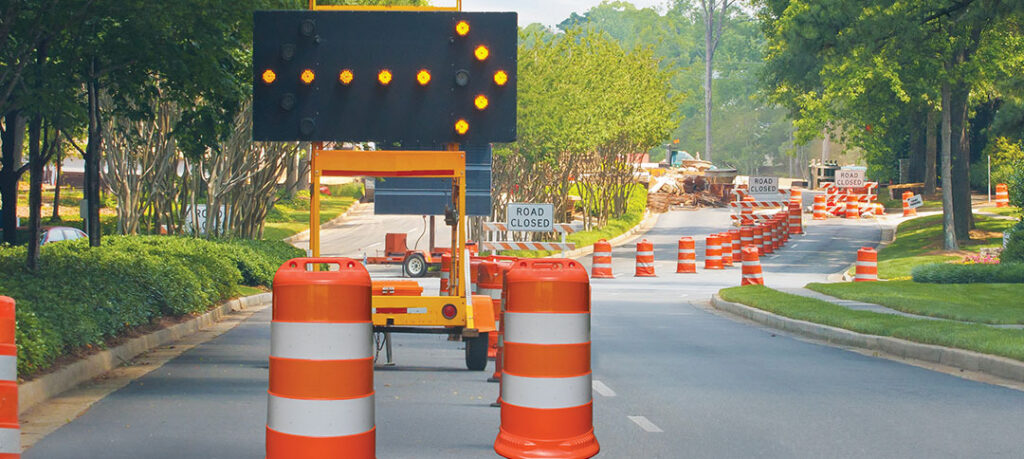
Construction Traffic Management Plans (CTMPs) are essential for integrating the findings of a TIA into practical traffic management strategies. These plans outline how traffic will be managed during construction, including detours, signage, and safety measures. By aligning CTMPs with TIAs, project managers can effectively mitigate traffic disruptions and enhance safety for both workers and the public.
How Does a Professional Traffic Impact Assessment Benefit Your Construction Project?
Engaging a professional to conduct a Traffic Impact Assessment offers numerous benefits for construction projects. These assessments not only ensure compliance with local regulations but also enhance safety and optimize traffic flow. By identifying potential issues early, project managers can implement solutions that minimize disruptions and improve overall project efficiency.
What Are the Top 5 Benefits of Conducting a Traffic Impact Study in Adelaide?
- Regulatory Compliance: A TIA ensures that your project meets all local traffic regulations, reducing the risk of legal issues.
- Safety Improvements: By identifying potential hazards, a TIA helps enhance safety for both construction workers and the public.
- Traffic Flow Optimization: TIAs provide insights into how to manage traffic effectively during construction, minimizing delays.
- Community Relations: Demonstrating a commitment to safety and traffic management can improve community relations and public perception of the project.
- Cost Savings: Early identification of traffic issues can lead to cost savings by avoiding last-minute changes and delays.
How Does a Road Safety Assessment Enhance Construction Site Safety?
A Road Safety Assessment (RSA) complements a TIA by focusing specifically on safety aspects related to the construction site. It evaluates potential risks and recommends measures to enhance safety for all road users. By integrating RSAs with TIAs, project managers can create a comprehensive safety strategy that addresses both traffic flow and safety concerns.
What Are the Key Steps in Conducting a Traffic Impact Assessment for Adelaide Construction Projects?
Conducting a Traffic Impact Assessment involves several key steps that ensure a thorough evaluation of potential traffic impacts. These steps include data collection, analysis, and reporting, each critical for producing an accurate assessment.
How Is Traffic Volume and Congestion Analyzed During the Assessment?
Traffic volume and congestion analysis is a fundamental component of a TIA. This analysis involves collecting data on existing traffic conditions, including vehicle counts and peak hour traffic patterns. By understanding current traffic volumes, consultants can predict how a construction project will affect congestion levels and identify necessary mitigation measures.
What Digital Tools and Traffic Modelling Techniques Are Used?
Modern TIAs utilize various digital tools and traffic modeling techniques to enhance accuracy and efficiency. These tools include simulation software that models traffic flow and predicts the impact of proposed changes. By employing advanced modeling techniques, traffic consultants can provide detailed insights into potential traffic conditions post-construction.
Further elaborating on the advanced methodologies, research highlights specific procedures and software designed to assess and mitigate traffic impacts from construction work zones.
Construction Work Zone Traffic Impact Assessment Procedures
Nonrecurrent traffic congestion caused by construction work constitutes a large proportion of the traffic congestion on highways. In TO 5300, we developed a comprehensive work zone traffic impact assessment procedure using a series of state-of-the-art dynamic network analysis tools as building blocks. This procedure is then implemented into a work zone traffic impact assessment software package called NetZone. This software package is capable of estimating time-dependent travel demand based on link counts, estimating demand diversion in response to work zone delay and various traffic management measures, showing traffic congestion level in the network over time, and providing network wide traffic performance measures with and without traffic congestion mitigation measures. The traffic performance measures provided in NetZone include average and longest delays, average and longest queue lengths, as well as the total delay in the network, before and during construction.
Integrated construction zone traffic management, M Zhang, 2008
Can You See Examples of Successful Traffic Impact Assessments in Adelaide?
Several recent construction projects in Adelaide have successfully utilized Traffic Impact Assessments to enhance project outcomes. These examples demonstrate the value of TIAs in addressing traffic concerns and ensuring compliance with local regulations.
What Recent Adelaide Construction Projects Benefited from Professional TIAs?
Recent projects, such as the redevelopment of major commercial centers and residential complexes, have benefited significantly from professional TIAs. These assessments have helped identify potential traffic issues and implement effective management strategies, resulting in smoother project execution and improved community relations.
How Do These Assessments Align with Environmental and Safety Considerations?
Traffic Impact Assessments also consider environmental and safety factors, ensuring that construction projects align with broader sustainability goals. By evaluating the environmental impact of increased traffic and proposing mitigation strategies, TIAs contribute to safer and more sustainable urban development in Adelaide.