The Vital Importance of Roadwork Traffic Control
As Australia continues to expand its transport networks, the frequency of road maintenance and infrastructure upgrades is at an all-time high. In this environment, roadwork traffic control is the most critical element in preventing accidents and ensuring the safety of civil contractors and the motoring public. Managing traffic around active roadwork zones requires a high level of precision, as high-speed vehicles must be safely navigated through narrowed lanes or diverted around closures. By partnering with an experienced provider like One Stop Traffic Solutions, project managers can mitigate risks and ensure that their roadwork sites operate without incident.
Adhering to Australian Roadwork Standards (AS 1742.3)
In Australia, all roadwork traffic control must comply with the strict guidelines set out in the Australian Standard AS 1742.3. This standard dictates everything from the distance between warning signs to the visibility requirements of traffic controllers. Whether the work is being carried out under the jurisdiction of VicRoads, DIT (South Australia), or Transport for NSW, compliance is non-negotiable. A professional traffic management company ensures:
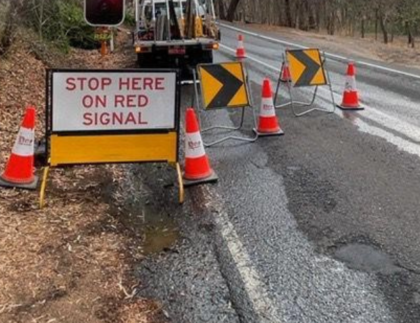
- Compliant Setup: Correct placement of taper lengths and buffer zones to give drivers enough time to react.
- Rigorous Planning: Development of a Traffic Management Plan (TMP) that addresses the specific speed zones and traffic volumes of the road.
- Authority Liaison: Managing the necessary permits for lane closures or speed reductions to avoid legal penalties and site shutdowns.
Personnel Excellence in High-Speed Environments
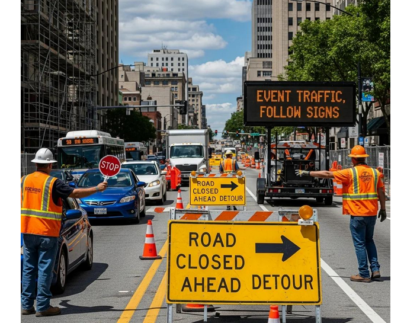
The frontline of roadwork traffic control consists of highly trained personnel who are accustomed to working in high-pressure, high-speed environments. Certified Traffic Controllers are responsible for much more than just flagging; they are the eyes and ears of the worksite. They monitor traffic flow, communicate via two-way radios to coordinate movements, and are trained in emergency de-escalation. In the event of a vehicle breakdown or a sudden change in weather, these professionals are equipped to adjust the traffic setup instantly, maintaining a safe perimeter around the road crew at all times.
Advanced Equipment for Enhanced Visibility
Modern roadworks often take place at night or in low-visibility conditions to minimize peak-hour disruption. This makes high-quality equipment a vital part of roadwork traffic control. To ensure the safety of all road users, we utilize:
- Variable Message Signs (VMS): Providing clear, real-time instructions to drivers long before they reach the work zone.
- Arrow Boards and Lighting Towers: Ensuring that lane changes and work areas are brilliantly illuminated for night shifts.
- Impact Protection Vehicles (IPV): Using “Truck Mounted Attenuators” (TMAs) to act as a physical shield for workers on high-speed arterial roads and highways. This combination of technology and hardware is essential for reducing driver confusion and preventing catastrophic rear-end collisions.
Maximizing Efficiency through Expert Coordination
Some view roadwork traffic control simply as an expense, but it is actually a tool for operational efficiency. A well-designed traffic setup ensures that roadwork crews can work longer hours with fewer interruptions. Efficient lane closures and diversions mean that heavy machinery can move in and out of the site quickly, keeping the project on track. Furthermore, expert management reduces the likelihood of public complaints and congestion, which helps maintain the positive reputation of the civil contractor and the government body funding the project.
Conclusion: Prioritizing Safety in Every Meter of Roadwork
Managing the complexity of Australia’s roads requires a deep commitment to safety and a thorough understanding of regulatory demands. Effective roadwork traffic control is the difference between a successful infrastructure project and a high-risk liability. By focusing on compliant planning, elite personnel, and advanced protective equipment, we ensure that every worker goes home safely and every road user reaches their destination without delay.