
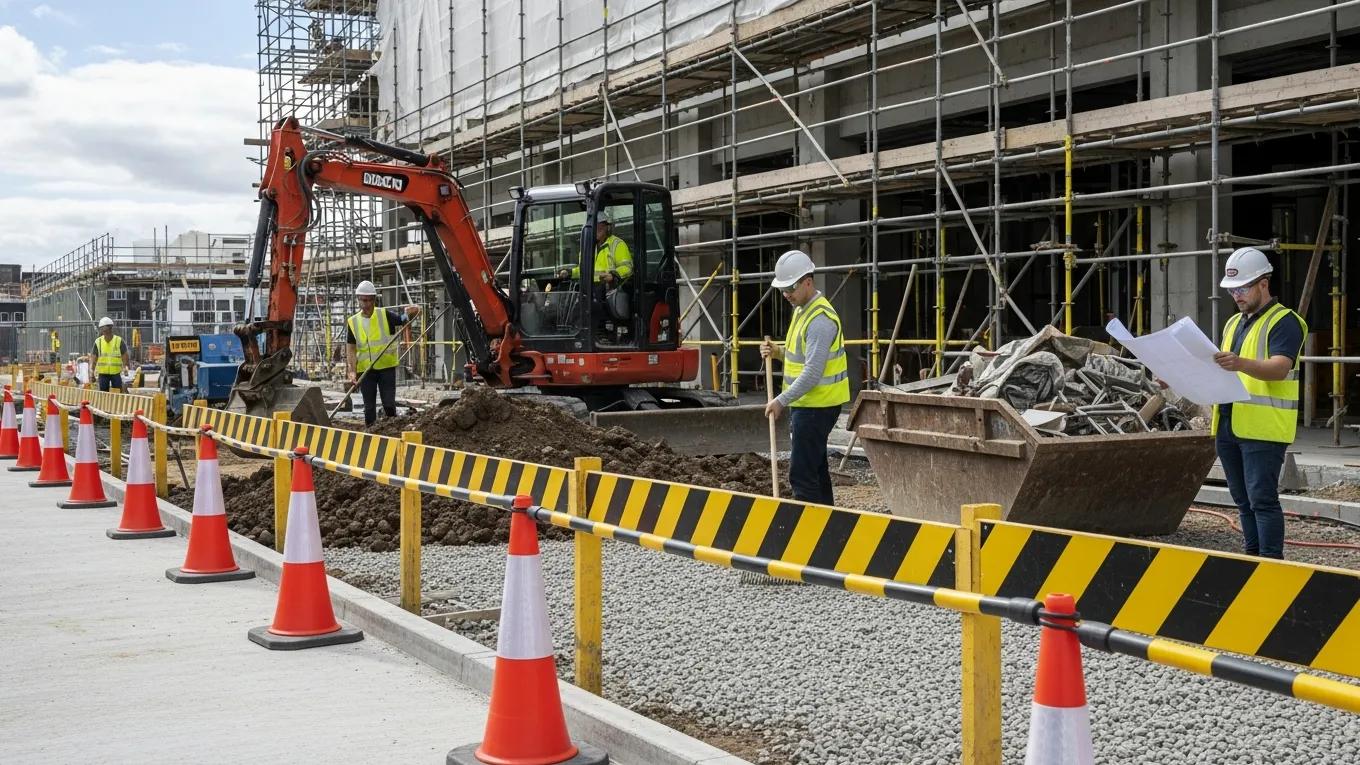
Knowing how infrastructure site safety management is priced helps project owners, contractors and event organisers plan and avoid surprises. Costs vary with the work required, compliance obligations and local market conditions. Below we break down the main elements that influence pricing so you can make informed choices when engaging a specialist such as One Stop Traffic Solutions, based in Adelaide, South Australia. We cover the primary cost drivers, the effects of labour and planning, the role of equipment and technology, regulatory impacts, site complexity and how the consultation process shapes quotes.
The key factors that influence the pricing of Infrastructure Site Safety Management Services include:
Several important factors determine how site safety management is priced. These include:
- Service Scope: The breadth and duration of services—traffic control, road closures, signage and supervision—directly affect cost.
- Regulatory Compliance: Meeting local rules and securing permits adds time and expense to a job.
- Risk Management: Higher-risk sites demand more controls, monitoring and contingency planning, which increases fees.
- Market Demand: Seasonal workloads and local demand for qualified crews can push prices up or down.
- Equipment Needs: The quantity and sophistication of plant, vehicles and temporary devices required will influence the budget.
- Project Complexity: Complex sites or works in live traffic need extra planning, supervision and personnel.
- Permit and Administration Fees: Local authority charges and admin time for documentation are real cost components.
Being aware of these drivers helps clients forecast budgets and choose the level of service that matches their risk appetite and project goals.
What Are the Primary Cost Drivers in Infrastructure Site Safety Management?

Key cost drivers typically include labour, regulatory requirements, equipment and the project’s inherent risks.
Labour often represents the largest portion of the price because qualified personnel—traffic controllers, supervisors and planners—are essential for safe, compliant operations. Regulatory compliance can demand extra inspections, paperwork and permit processing. Equipment costs vary with the need for items like impact protection vehicles, temporary signals and specialist signage. Finally, projects with elevated risk profiles call for more controls and oversight, which pushes up the total cost.
How Do Labour and Planning Influence Service Rates?
Labour and planning shape rates by determining how many trained people are needed and how work is organised.
Pay rates reflect the skill and certification of staff—experienced, accredited traffic controllers and supervisors command higher wages. Thorough planning reduces on-site surprises and downtime, often saving money over the project lifecycle, though it may increase the upfront quote. Projects needing detailed TMPs, staging plans or multiple traffic shifts will show this in the price.
What Role Does Equipment and Technology Play in Pricing?
Equipment and technology affect costs both through initial outlay and ongoing operational benefits.
Investing in proven equipment—such as crash-attenuation vehicles, portable traffic signals and high-visibility signage—improves safety and efficiency but adds to the quote. Technology like traffic management software, GPS tracking and communications gear can streamline coordination and reporting, which may reduce labour hours and risk over time. Clients should weigh upfront costs against operational gains and long-term safety benefits.
How Does Regulatory Compliance Impact Traffic Management Service Costs?
Regulatory compliance is a non-negotiable cost driver for traffic management services.
Preparing Traffic Management Plans (TMPs), securing permits and meeting inspection requirements adds both administration and delivery costs. Different local authorities may impose varying standards and fees, so compliance needs can change the final price depending on location and the scope of works. Clear early communication about compliance expectations helps produce accurate quotes.
Which Safety Regulations Affect Pricing in Adelaide and South Australia?
In Adelaide and across South Australia, local regulations and TMP requirements influence how services are scoped and priced.
Traffic Management Plans set out the safety measures required for a given project and usually must be prepared by qualified providers. Professional traffic management services for infrastructure projects make sure TMPs meet regulatory standards and that permits are lodged correctly. Permit costs and inspection cycles vary by council and project type, so these regulatory factors should be included when estimating budgets.
How Do Compliance Fees and Permits Contribute to Overall Costs?
Compliance fees and permits are predictable but variable components of total project cost.
Permit charges differ by council and project complexity, and the time spent compiling necessary documentation and coordinating with authorities adds administration costs. Accurately estimating these fees up front reduces the chance of unexpected expenses during delivery.
In What Ways Does Site Complexity Affect Infrastructure Site Safety Management Pricing?
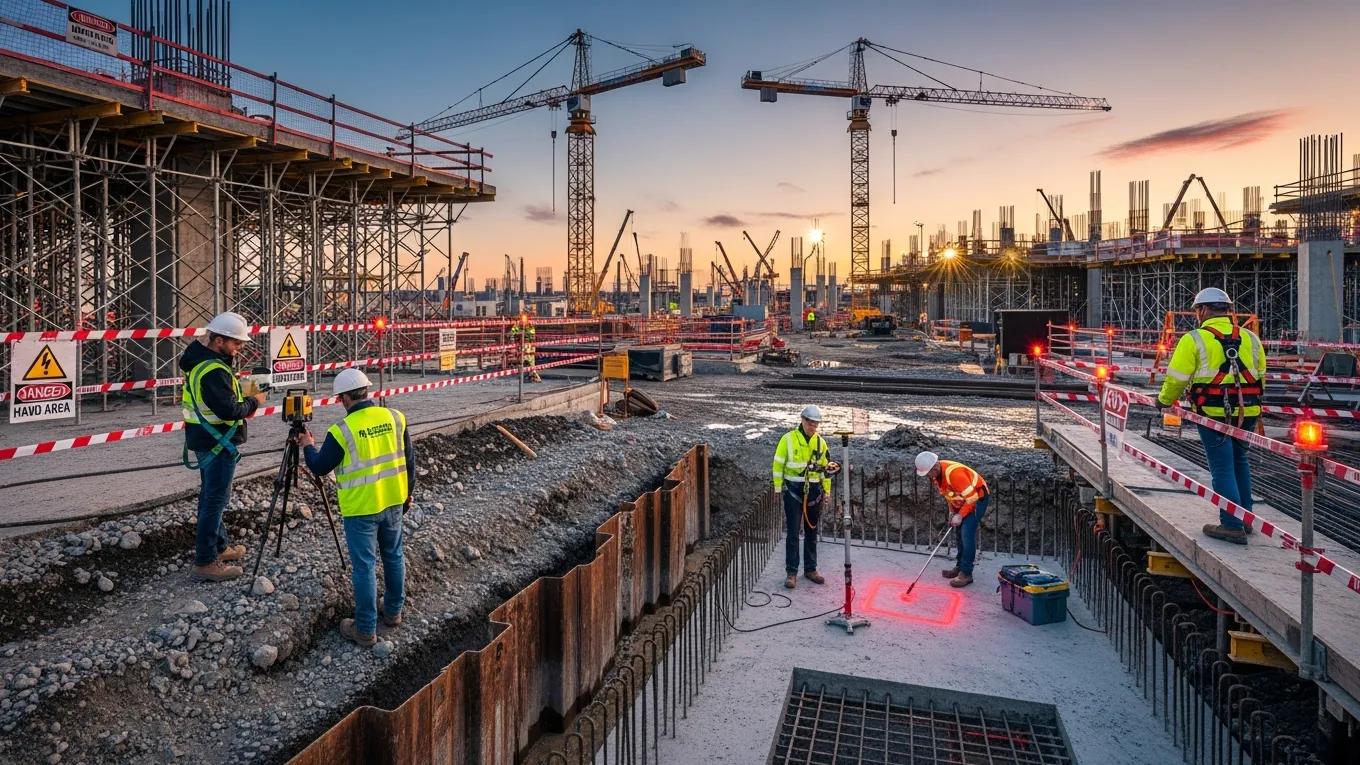
Site complexity directly increases planning, staffing and equipment needs, which raises costs.
Sites with confined spaces, multiple access points, live traffic interfaces or unusual hazards require more detailed traffic staging, extra personnel and potentially specialised plant. Those additional layers of control and supervision show up in the final price, so accurate site information is important during the quoting stage.
How Do Environmental and Site Conditions Influence Cost Structures?
Environmental and site conditions affect practical delivery and therefore cost.
Weather, ground conditions, surrounding infrastructure and site access all influence how teams work and what equipment is needed. Wet or unstable ground may require protective measures; constrained access can slow setup and increase labour hours. Taking these variables into account early helps build a realistic budget.
What Are the Pricing Implications of Different Project Types?
Project type—scale, duration and frequency—shapes the cost profile for safety management services.
Large construction projects often need continuous, multi-shift coverage and higher levels of supervision than short-term events, leading to greater recurring costs. One-off or short-duration works may carry higher per-day rates but lower total spend. Understanding the project’s duration and rhythm helps choose the most cost-effective service model.
How Is the Consultation and Quote Process Structured for Site Safety Management Services?
The consultation and quoting process is designed to match recommendations to the project’s specific risks and goals.
Typically, you’ll discuss project details with a provider who assesses scope, timing and constraints. That assessment leads to a tailored quote that lists the recommended controls, personnel and equipment. Clear communication and early site information speed up the process and improve quote accuracy.
What Should Clients Expect During the Free Quote and Consultation?
During a free quote and consultation you should expect a focused, practical conversation about the project’s needs.
Be prepared to share site plans, schedules and any known hazards. The provider will ask about traffic flows, access points and any regulatory obligations. From that information they’ll prepare a quote that reflects the required level of control, likely permit needs and a realistic cost estimate.
How Does Consultation Enhance Pricing Accuracy and Client Confidence?
Good consultation narrows uncertainty, leading to fairer pricing and stronger confidence in delivery.
By discussing the project in detail, providers can identify efficiencies, anticipate challenges and itemise costs clearly. That transparency helps clients trust the quote and reduces surprises during delivery, improving safety outcomes and project timelines.
Conclusion
Pricing for infrastructure site safety management depends on project complexity, labour and supervision needs, equipment and technology, regulatory compliance and site conditions. Understanding these factors makes budgeting easier and reduces the risk of unexpected costs. Working with experienced traffic management companies in Adelaide—like One Stop Traffic Solutions—ensures compliant, practical safety solutions that protect people and keep projects moving.