
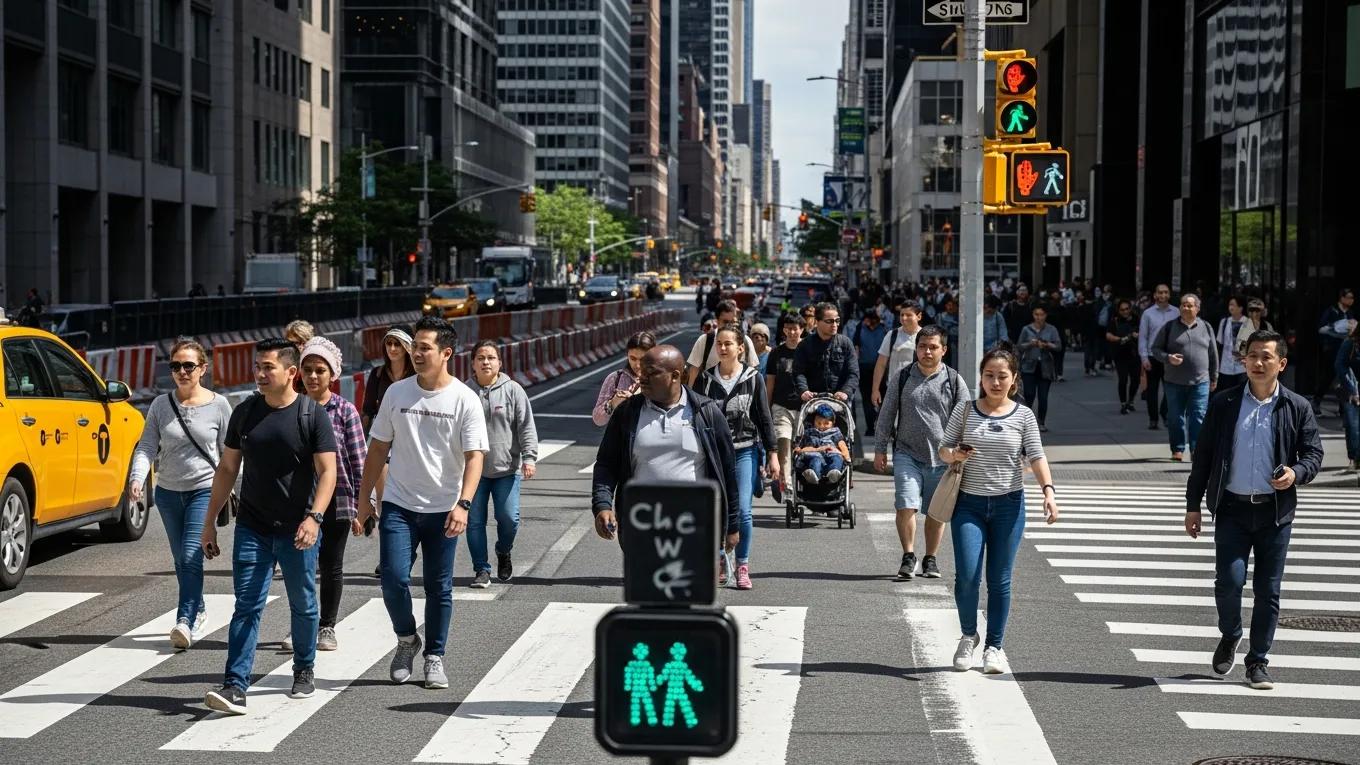
Pedestrian safety is a core part of traffic management, particularly in busy urban areas where people and vehicles share space. This article outlines the practical measures that cut accidents and keep projects compliant. You’ll find clear protocols, the right equipment, and how accredited training strengthens on-the-ground safety. We also explain the benefits for construction and event sites and where to access approved courses across South Australia. Armed with this information, site managers and traffic controllers can better protect pedestrians and improve traffic flow.
What are the key pedestrian safety protocols in traffic management?
Pedestrian safety protocols are straightforward rules and controls that protect people walking where vehicles operate. Common measures include clearly marked crossings, pedestrian-only routes and traffic signal phases that give priority to foot traffic. Putting these protocols in place reduces collisions and helps pedestrians move through urban areas with confidence.
How do pedestrian safety measures reduce worksite incidents?
Evidence shows well‑planned pedestrian controls cut worksite incidents substantially. For example, construction sites that use clear signage and physical barriers to separate walking routes from vehicle lanes have reported up to a 50% reduction in accidents. Prioritising pedestrian safety not only meets regulatory obligations but also creates a safer, more productive site.
Which equipment and signage are essential for pedestrian traffic control?
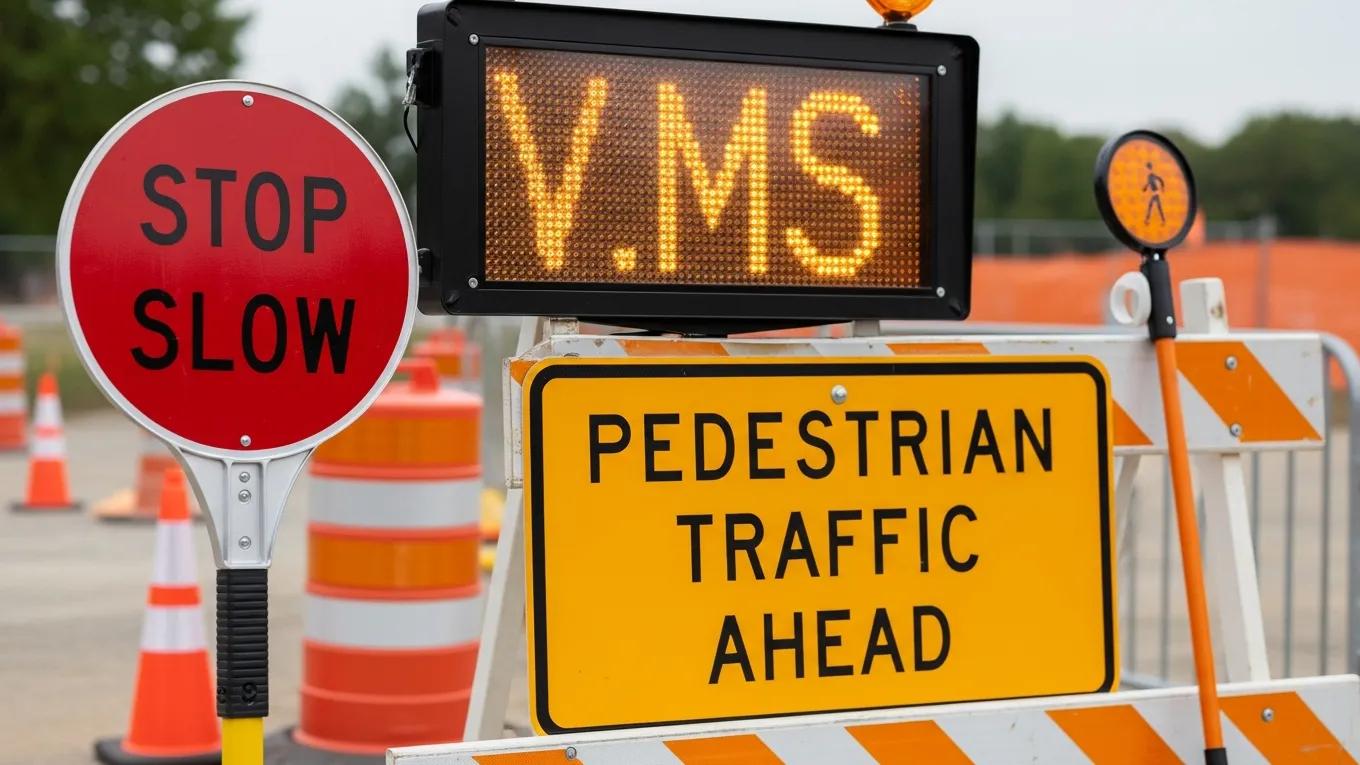
Clear, fit-for-purpose equipment and signage are central to effective pedestrian management. Key items include:
- Stop/Slow signs: Simple and highly visible, these direct vehicle flow and protect crossing pedestrians.
- Variable Message Signs (VMS): Electronic messages provide up-to-the-minute warnings about pedestrian crossings, detours and hazards.
- Safety barriers: Physical separation prevents pedestrians from entering vehicle paths and guides safe walking routes.
Used correctly, these tools raise site safety, reduce confusion and help you meet traffic management requirements.
Which accredited traffic management training courses include pedestrian safety?
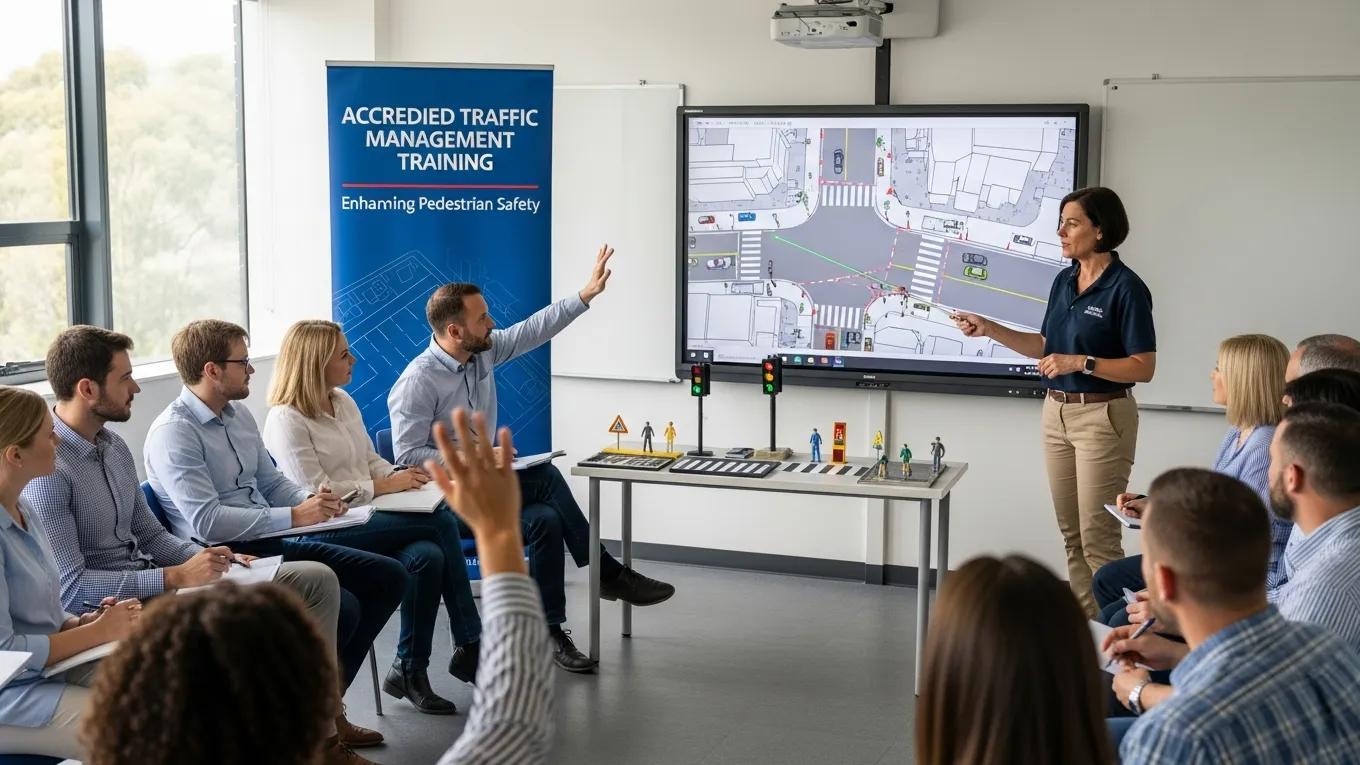
Accredited courses give traffic controllers the skills to set up safe pedestrian access and manage interactions with vehicles. Courses cover current regulations, best-practice site setup and practical techniques for keeping pedestrians safe in active work zones and events.
What are the certification requirements for traffic control officers in Adelaide?
In Adelaide, traffic control officers must complete specific accredited units to become certified. Training typically includes traffic management planning, pedestrian safety procedures and emergency response. Completing these modules ensures officers can confidently manage pedestrian movement and comply with local rules.
How does training align with South Australian regulatory standards?
Training programs are designed to meet South Australian standards so officers learn both the legal requirements and the recommended practices for pedestrian safety. This alignment ensures consistency across sites and helps organisations maintain high safety standards.
The evidence supports the role of quality training in shaping positive attitudes and better enforcement of pedestrian safety among professionals.
Pedestrian Safety Training & Law Enforcement
Researchers observed clear, positive shifts in law enforcement attitudes toward enforcing pedestrian laws following a training session.
How effective are community pedestrian safety training workshops?
Short-term findings from a program in California, JM Barajas, 2019
How does compliance with pedestrian safety regulations benefit construction and event sites?
Complying with pedestrian safety rules brings tangible benefits to construction and event sites. First, it reduces the risk of harm to pedestrians. Second, it lowers the chance of fines and legal issues linked to non‑compliance. Finally, good pedestrian management keeps traffic moving smoothly, improving the experience for workers, attendees and road users alike.
What are the responsibilities of traffic control officers regarding pedestrian safety?
Traffic control officers play a key role in protecting pedestrians. Their responsibilities include:
- Implementing traffic management plans: Making sure plans are followed and pedestrian routes are protected.
- Conducting site assessments: Identifying hazards and recommending effective controls.
- Ensuring compliance with regulations: Enforcing rules that keep pedestrians safe.
How do updated regulations impact traffic management practices?
Recent regulatory updates put greater emphasis on pedestrian protection and require stronger training and compliance measures. As rules evolve, traffic management practices must adapt—through better planning, updated equipment and ongoing professional development for officers.
Where can you enrol in pedestrian traffic control training in South Australia?
If you’re looking to enrol locally, One Stop Traffic Solutions delivers accredited courses across South Australia. Our training centre is at 10 William St, Mansfield Park SA 5012, Australia, and we cover practical pedestrian safety measures and compliance with local regulations. Contact us to find out course dates and enrolment details.
What is the enrolment process for accredited traffic management courses?
Enrolling in accredited courses is a straightforward process:
- Contact the training provider: Get in touch with One Stop Traffic Solutions to check course availability.
- Complete required forms: Provide the information requested on the enrolment paperwork.
- Attend orientation: Join an orientation so you understand course expectations and logistics.
Following these steps will get you started on training that improves your skills in pedestrian safety and traffic management.
What are the benefits of choosing local Adelaide-based training providers?
Choosing a local provider like One Stop Traffic Solutions offers advantages that make training more relevant and practical:
- Local expertise: Trainers know South Australian regulations and common site challenges.
- Practical training benefits: Local courses use real-world scenarios that reflect conditions you’ll face on site.
- Ongoing support: Local providers can offer post‑course advice and updates as regulations change.
Picking a local, accredited provider ensures your learning is immediately applicable and keeps you up to date with regulatory changes that affect pedestrian safety on South Australian sites.