Every day, thousands of people travel across roads, highways, and intersections trusting that the systems in place will keep them safe. Yet road accidents remain one of the leading causes of injury and loss of life in cities around the world. Behind every well-functioning road network is a carefully designed system of rules, technology, and planning — and that is exactly where traffic management plays a vital role.
Understanding how traffic management contributes to safer roads can help communities, businesses, and local governments make better decisions about infrastructure, planning, and public safety.
What Is Traffic Management?
Traffic management refers to the combination of strategies, tools, and systems used to control and organise the movement of vehicles and pedestrians on roads. It goes far beyond traffic lights and road signs. Modern traffic management includes everything from real-time monitoring systems and data analytics to road design, signage placement, speed controls, and emergency response planning.
The goal is simple — to move people and vehicles efficiently while reducing the risk of accidents, congestion, and harm.
Why Road Safety Is a Growing Priority
As cities grow and vehicle numbers increase, the pressure on road networks intensifies. More traffic means more opportunities for accidents, particularly at busy intersections, school zones, construction sites, and highways.
Improving road traffic safety in Adelaide and similar growing cities requires more than just better driving habits. It demands a systemic approach — one that addresses road design, signalling, speed management, and driver behaviour all at once. Traffic management sits at the heart of that approach.
How Traffic Management Improves Road Safety
1. Better Traffic Flow Reduces Accident Risk
One of the most direct ways traffic management improves safety is by reducing congestion. When traffic flows smoothly, drivers spend less time in frustrating stop-start conditions that often lead to rear-end collisions, aggressive driving, and distracted behaviour.
Coordinated traffic signals, dedicated turning lanes, roundabouts, and clearly marked pedestrian crossings all work together to keep vehicles moving predictably and safely.
2. Speed Management Saves Lives
Speed is one of the biggest contributing factors in serious road accidents. The faster a vehicle is travelling, the less time a driver has to react — and the greater the impact in a collision.
Effective traffic management uses a combination of speed limit signage, speed cameras, road design features like speed humps and narrowed lanes, and variable speed limit systems to encourage appropriate driving speeds in different zones. These measures have been shown to significantly reduce both the frequency and severity of accidents.
3. Smarter Intersections Mean Fewer Collisions
Intersections are among the most dangerous points on any road network. Poorly timed signals, unclear markings, and inadequate signage all contribute to crashes at these locations.
Modern traffic management solutions address this by using intelligent signal systems that adapt to real-time traffic conditions, improving visibility through better lighting and signage, and redesigning intersection layouts to reduce conflict points between vehicles, cyclists, and pedestrians.
4. Work Zone and Construction Site Safety
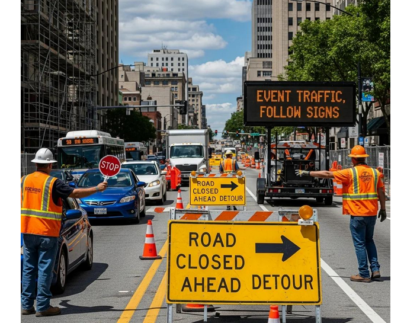
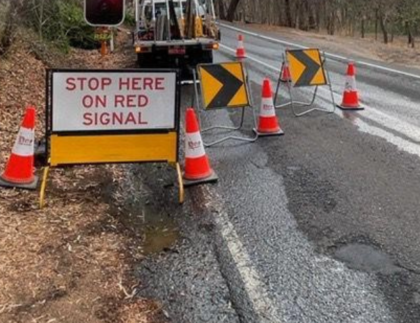
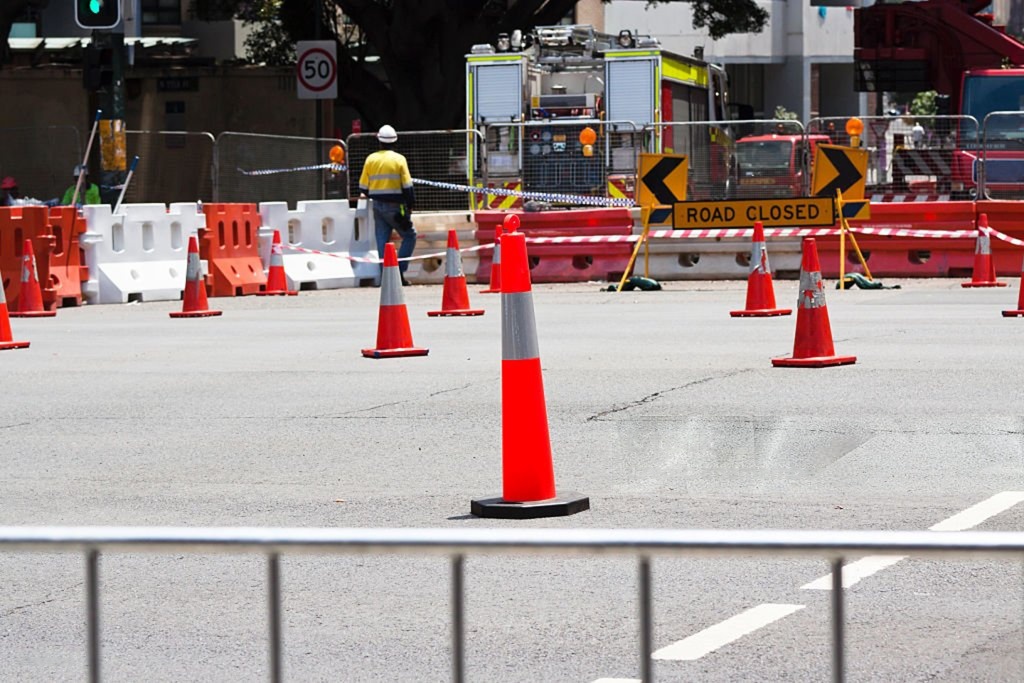
Roadworks and construction zones present unique hazards. Narrowed lanes, reduced speed limits, changed traffic patterns, and the presence of workers near moving vehicles all create elevated risk.
Professional traffic management planning is essential in these environments. Temporary signage, barriers, traffic controllers, and clear detour routes help protect both workers and drivers. Without proper planning, work zones become one of the most dangerous sections of any road.
5. Pedestrian and Cyclist Protection
Road safety is not just about vehicles. Pedestrians and cyclists are among the most vulnerable road users, and traffic management plays a crucial role in protecting them.
Dedicated cycling lanes, pedestrian-priority crossings, adequate lighting, and well-placed barriers all form part of a broader safety strategy. In busy urban areas, separating different types of road users is one of the most effective ways to prevent serious accidents.
6. Data and Technology Driving Smarter Decisions
Modern traffic management is increasingly data-driven. Traffic monitoring systems, cameras, sensors, and software platforms allow city planners and traffic authorities to collect real-time information about vehicle movements, congestion points, and accident hotspots.
This data helps identify where problems are occurring and why — enabling authorities to take targeted action rather than making costly guesses. Predictive analytics can even identify high-risk areas before accidents happen, allowing preventative measures to be put in place.
The Importance of Planning and Professional Expertise
Good traffic management does not happen by accident. It requires detailed planning, specialised knowledge, and an understanding of both engineering principles and human behaviour. Poorly planned traffic systems can actually make roads more dangerous — confusing signage, badly timed signals, and inadequate pedestrian infrastructure all create unnecessary risk.
Working with experienced professionals who understand road safety solutions ensures that every element of a traffic management plan is designed with safety as the priority. From major infrastructure projects to temporary event traffic plans, expert guidance makes a measurable difference.
Traffic Management in Urban vs Regional Areas
The challenges of traffic management differ significantly between urban centres and regional or rural roads. In cities, the focus tends to be on managing high volumes of vehicles, protecting pedestrians, and reducing congestion at key intersections.
In regional areas, the risks often look different — higher speeds, longer distances between services, wildlife hazards, and roads that may not be designed to handle increasing traffic loads. Effective traffic management must account for these differences and tailor solutions accordingly.
Community Awareness and Road User Behaviour
Technology and infrastructure can only go so far. Human behaviour remains one of the biggest variables in road safety. Driver fatigue, distraction, impairment, and failure to follow road rules all contribute to accidents regardless of how well a road is designed.
Traffic management supports safer behaviour by making the right choice the easy choice — clearly marked lanes, well-placed signage, and logical road layouts all reduce the cognitive load on drivers and make it easier to follow the rules naturally.
Public education campaigns, school zone safety programs, and community engagement initiatives complement the physical infrastructure and help build a culture of road safety from the ground up.
Looking Ahead: The Future of Traffic Management
Technology is changing what is possible in traffic management. Connected vehicle systems, artificial intelligence, smart traffic signals, and autonomous vehicle integration are all on the horizon. These advances promise to make roads even safer by reducing human error, improving response times, and enabling more sophisticated coordination across entire road networks.
Cities and regions that invest in modern traffic management infrastructure today will be better placed to adapt to these changes and continue improving safety outcomes into the future.
Final Thoughts
Road safety is a shared responsibility but it depends heavily on the systems and infrastructure that guide how people move through public spaces. Effective traffic management is one of the most powerful tools available for reducing accidents, protecting vulnerable road users, and building communities where people can travel with confidence.
Whether it is a major highway upgrade, a temporary construction zone, or a busy school crossing, every traffic management decision has the potential to save lives. Investing in the right planning, technology, and expertise is not just good practice, it is essential.