
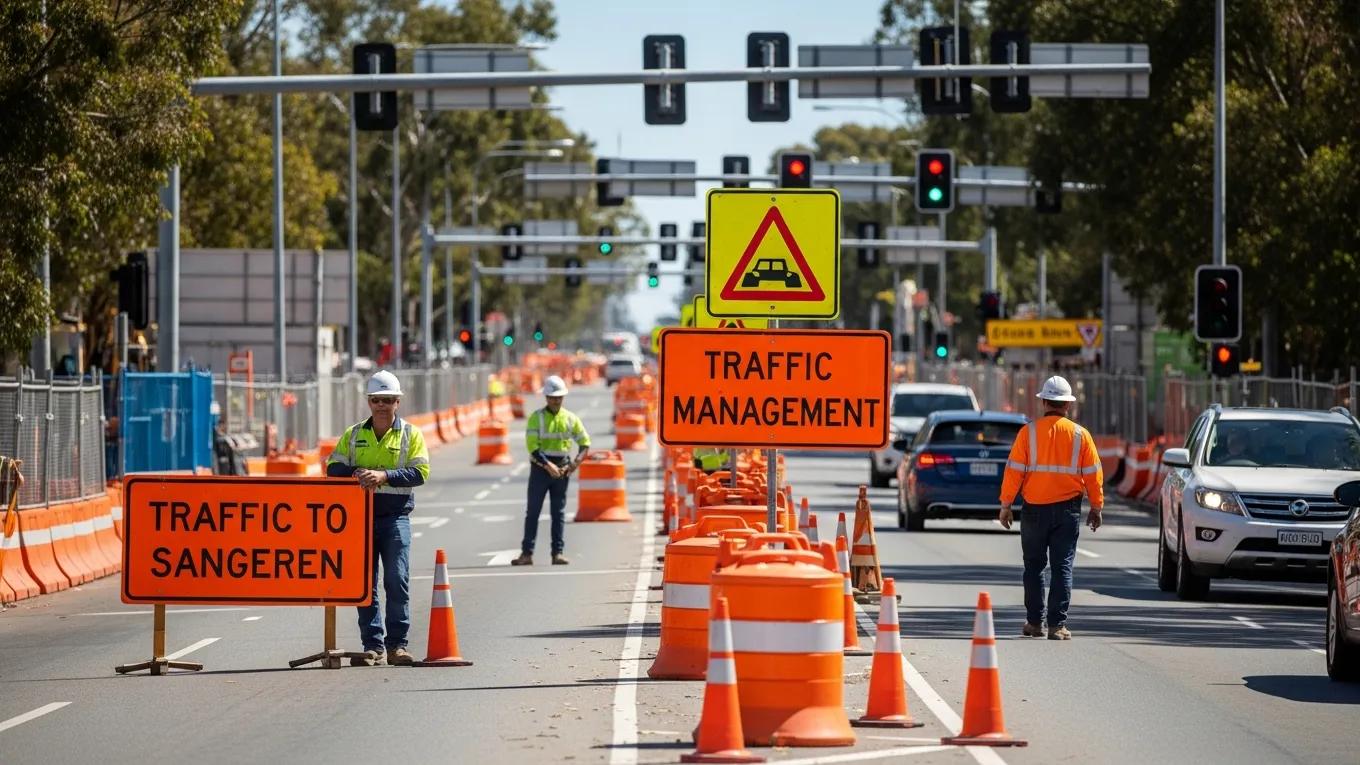
Traffic management safety audits are a practical, proven way to keep construction and event sites in Adelaide both compliant and safe. These audits review traffic control measures end-to-end, flagging hazards and confirming that safety protocols are applied correctly. When done consistently, audits reduce the chance of incidents, protect workers and the public, and help projects run more predictably. Below we outline the main benefits of safety audits, how they cut risk and boost efficiency, and the regulatory framework that applies in South Australia. If you need full traffic management support in Adelaide, working with experienced local specialists is the most effective option.
What are the key benefits of traffic management safety audits in Adelaide?
Traffic management safety audits deliver several direct benefits that matter on Adelaide worksites and events. The most important are:
- Better safety outcomes: Regular audits reveal hazards early and recommend fixes that reduce incidents for workers and road users.
- Regulatory compliance: Audits check practices against local rules, lowering the chance of penalties or enforcement action.
- Cost-effectiveness: By preventing accidents and limiting liability, audits help avoid fines, delays and costly claims.
One Stop Traffic Solutions, based in Adelaide, specialises in practical traffic control and safety audit services to help organisations meet these objectives and manage their on-site safety needs.
How do safety audits reduce traffic risks on construction and event sites?
Safety audits reduce traffic risks by delivering a structured, site-specific review of existing controls and by prioritising changes that make the biggest difference. Key elements include:
- Comprehensive safety evaluation: Audits systematically assess traffic management plans and on-site controls to ensure they work in real conditions.
- Regulatory compliance review: Auditors compare site practices with South Australian regulations and guidance to prevent non-compliance.
- Risk mitigation strategies: Audits identify the highest-risk exposures and recommend targeted measures to lower them.
Taking a proactive audit approach builds a safety-first culture and helps teams adopt consistent, verifiable controls.
In what ways do audits improve operational efficiency and compliance?
Traffic management safety audits support both efficiency and compliance by clarifying responsibilities, fixing weak processes, and enabling ongoing checks. Typical improvements include:
- Ongoing monitoring: Regular audits create a rhythm of review so controls remain effective as conditions change.
- Enhanced communication: Clear audit findings and recommendations help teams understand roles, expectations and necessary actions.
- Resource optimization: Audits reveal where equipment, personnel or traffic control measures can be adjusted to deliver better outcomes with the same resources.
These operational gains reduce downtime and help projects stay on schedule while meeting safety obligations.
How does the traffic management safety audit process work in Adelaide?
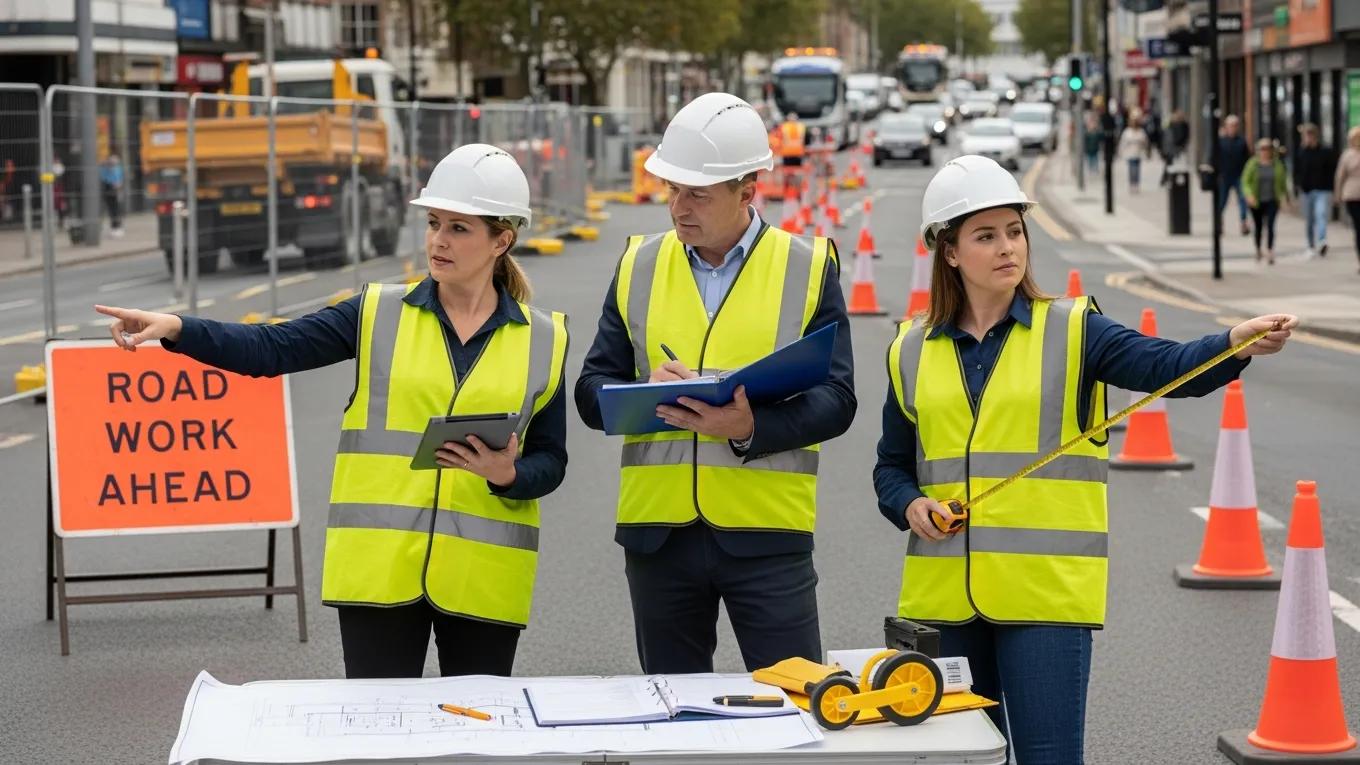
The audit process used in Adelaide follows a clear, repeatable sequence so nothing important is missed. Typical steps are:
- Pre-audit preparation: Collecting plans, permits and site details to understand the context before visiting.
- Site evaluation: Observing traffic control measures, pedestrian routes and vehicle movements in real conditions.
- Risk identification: Recording hazards and non-conformances, then prioritising corrective actions against regulatory requirements.
This methodical approach ensures audits are practical, evidence-based and focused on measurable safety outcomes.
What are the steps involved in conducting a comprehensive safety audit?
A thorough safety audit follows several essential stages to produce useful, actionable results. These typically include:
- Pre-audit review: Examining existing traffic management plans, documentation and previous audit records.
- On-site assessment: Assessing how traffic control, signage and personnel perform under live conditions.
- Findings documentation: Delivering a clear report with observations, risk ratings and recommended corrective actions.
These steps create a reliable record and a practical roadmap for improving site safety.
What are the regulatory requirements for traffic safety compliance in South Australia?
Traffic safety in South Australia is governed by a mix of local laws, codes of practice and industry standards that sites must follow. Key requirements include:
- Traffic management plans: Sites must have plans tailored to their location and activities that meet local standards.
- Traffic safety audits: Regular reviews are required to confirm plans are effective and being followed.
- Documentation and reporting: Accurate records of plans, audits and corrective actions must be kept to demonstrate compliance.
For project-specific rules, consult local government guidance or an experienced traffic management auditor in Adelaide.
How do audits ensure adherence to local government and industry standards?
Audits ensure conformity with local and industry rules through systematic checks and documented evidence. Core components are:
- Pre-audit review: Comparing site procedures and plans with regulatory requirements before inspection.
- On-site evaluation: Verifying that traffic control measures are implemented as intended and work in practice.
- Regulatory compliance review: Identifying any gaps and recommending corrective steps to meet government and industry standards.
Following these steps helps minimise legal exposure and demonstrates a commitment to best-practice safety.
How can construction, event, and utility sectors benefit from traffic safety audits?
Construction, events and utilities each face specific traffic risks. Safety audits help these sectors by:
- Compliance improvements: Ensuring plans and practices meet the applicable regulations for each sector.
- Enhanced site safety measures: Pinpointing hazards and specifying controls that suit the site’s activities and public interactions.
- Ongoing monitoring: Establishing a schedule of checks to maintain standards throughout the project lifecycle.
These benefits reduce incidents, protect reputations and keep operations moving smoothly.
What specific safety improvements are achieved in construction traffic control?
On construction sites, traffic audits target the most common causes of traffic incidents and deliver practical fixes. Typical outcomes include:
- Traffic management plans: Producing or refining plans that reflect the site layout, vehicle movements and pedestrian access.
- Training and certification: Verifying personnel have the right qualifications and understand their control duties.
- Reduction in incidents: Implementing recommended controls to lower near-misses and accidents.
These improvements make sites safer for workers, contractors and the travelling public.
How do event traffic management solutions enhance public safety and flow?
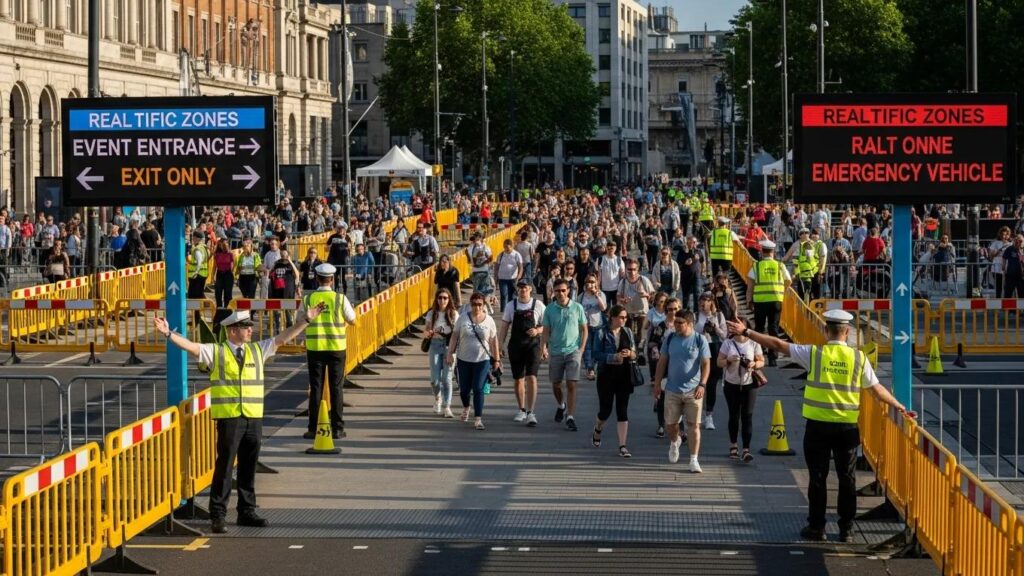
Effective event traffic management keeps people moving safely and prevents congestion. Core strategies are:
- Custom traffic management plans: Designing plans that match the event scale, access points and local road network.
- Pre-event planning and consultation: Coordinating with authorities, emergency services and stakeholders before the event.
- Use of technology: Deploying real-time monitoring and communication tools to manage flows and respond to issues quickly.
When combined, these measures improve attendee experience while protecting public safety.
Different aspects of traffic management solutions can be compared to highlight their effectiveness.
Conclusion
Traffic management safety audits are a practical, essential part of running safe, compliant and efficient construction, event and utility sites in Adelaide. They identify risks, improve processes and confirm that projects meet local safety rules and industry standards. Effective traffic management in Adelaide also helps minimise disruptions, protect workers and road users, and maintain smooth site operations. Partnering with experienced traffic management specialists in Adelaide helps organisations strengthen their traffic control strategies, reduce hazards and support long-term project success and legal compliance.