

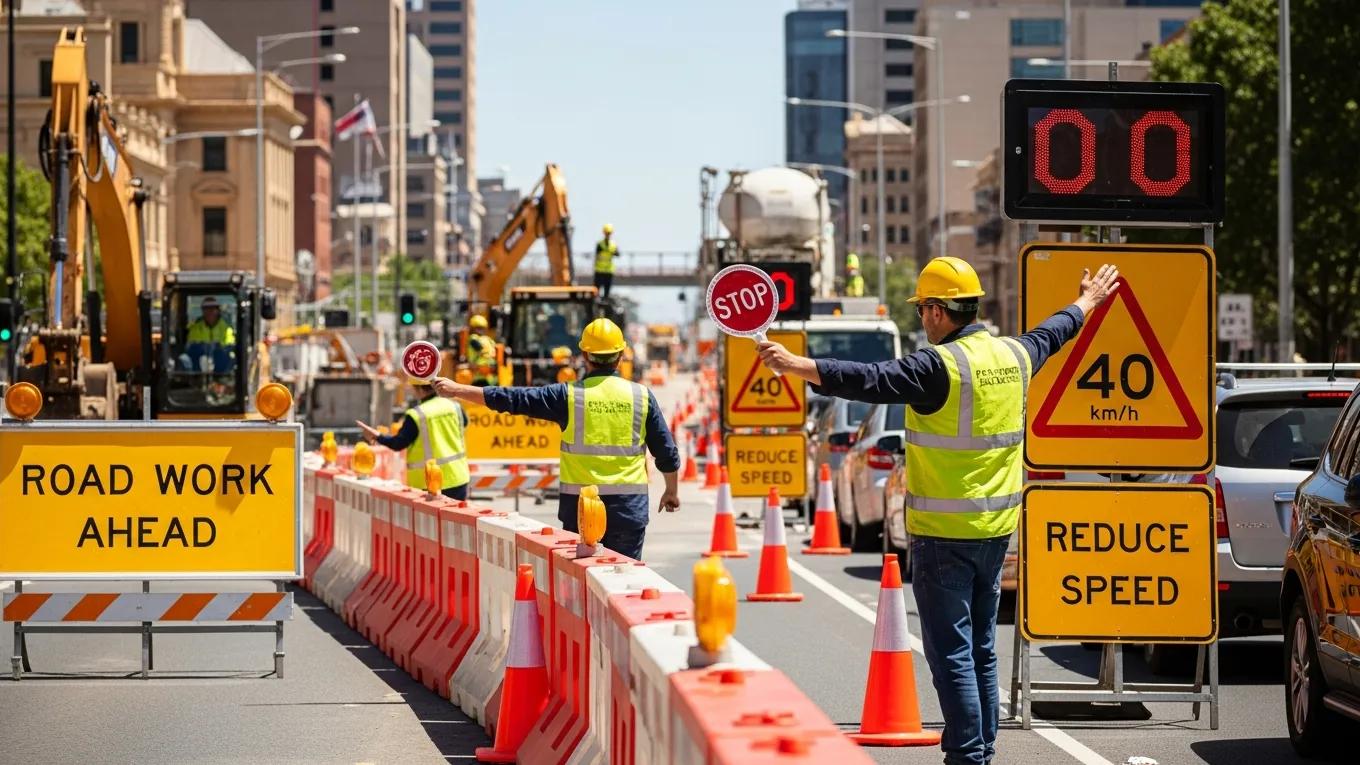
Knowing Adelaide’s work zone safety requirements is essential to protecting workers, road users and the public. Temporary roadwork creates hazards that local regulations are designed to manage and reduce. This guide summarises the core traffic management practices, compliance expectations and safety steps that apply to work zones in Adelaide. You’ll get a clear view of the regulations, the legal framework, the role of certified traffic controllers and how to develop traffic management plans that meet local standards. Getting these details right reduces risk and keeps projects on track.
Essential Traffic Management Practices
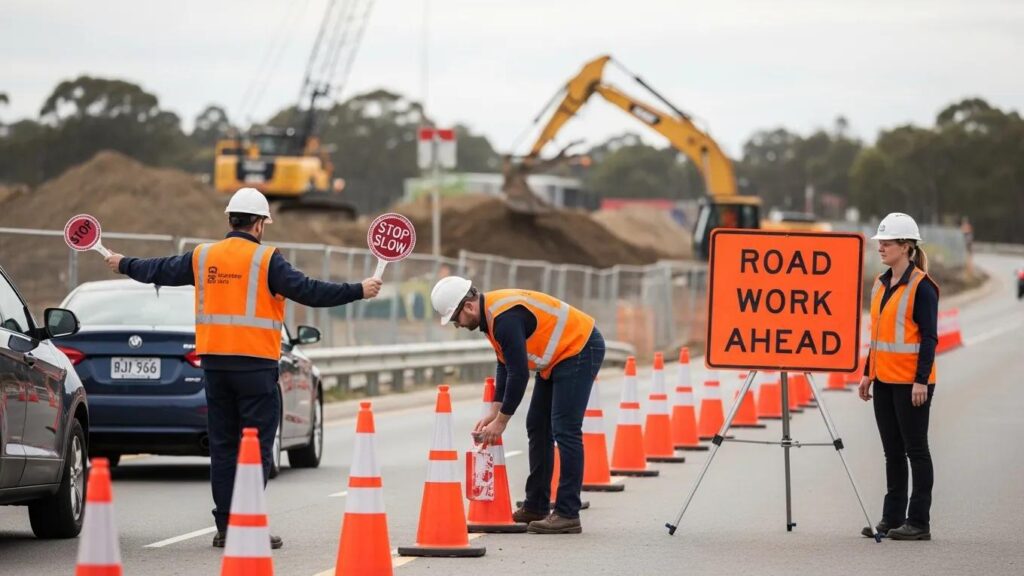
Effective traffic management starts with a tailored plan that directs vehicles and pedestrians safely around work areas. Practical, site-specific measures — from visible signage to well-designed detours and proactive public communication — prevent confusion and minimise disruptions for local residents and road users.
- Traffic Management Plans: A site-specific plan that sets out how traffic will be controlled and moved safely while work is underway.
- Safety Planning: Identify likely hazards before work starts and put targeted controls in place to reduce risks.
- Role of Licensed Traffic Controllers: Trained, certified controllers manage traffic on the ground and ensure plans are followed.
Applying these practices improves on-site safety and keeps operations running smoothly.
Compliance Requirements
Meeting work zone safety rules is a fundamental part of traffic management in South Australia. Traffic management plans and onsite controls must align with local and national standards to protect everyone using the road.
Among the prominent compliance requirements are:
- Overview of Australian Standards: Traffic control measures need to meet relevant Australian Standards and recognised industry guidance.
- Traffic Management Plans Importance: Plans should be current, reflect site conditions and be readily available for inspection.
- Regular Audits for Compliance: Periodic checks verify that procedures are followed and allow adjustments when conditions or regulations change.
Regular review and strict adherence to these requirements helps ensure legal compliance and site safety.
Safety Measures for Work Zones
Robust safety measures protect workers and the public during roadworks. Practical measures to consider include:
- Emergency Preparedness: Clear, practised plans for incidents help teams respond quickly and reduce harm.
- Clear Communication Strategies: Consistent signage and public notices keep road users informed about changed traffic conditions.
- Public Safety Considerations: Make work zones highly visible and intuitive to navigate to lower the risk of collisions or confusion.
These safety controls are central to creating a secure environment around work zones.
One Stop Traffic Solutions is a specialist traffic management provider based in Adelaide, focused on practical, compliant solutions for work zones, events and construction projects. Their services include drafting tailored traffic management plans and deploying certified traffic controllers to meet local safety standards and legislative requirements.
What are the Key Work Zone Safety Regulations in Adelaide?
Work zone safety rules in Adelaide cover several areas designed to protect the public and ensure lawful operation. Key regulatory focuses include:
- Traffic Management Plans Requirements: Plans must demonstrate how traffic will be managed safely during the work activity.
- Compliance with Safety Standards: Projects must follow the standards and guidance issued by relevant authorities.
- Legal Implications of Non-Compliance: Failing to meet requirements can lead to penalties, stoppages and increased liability.
Having a clear grasp of these core regulations is crucial to effective work zone management.
Which Legal Requirements Govern Work Zone Traffic Management?
The legal framework for work zone traffic management combines local regulations with broader state and national rules. Important legal elements include:
- Relevant Local and Federal Laws: Contractors must comply with both South Australian requirements and applicable national legislation.
- Compliance Standards: Specific safety standards define acceptable practices and equipment for work zones.
- Implications for Non-Compliance: Non-compliant work can result in fines, enforcement action and project delays.
Understanding the legal landscape helps teams plan and execute work with the right level of oversight and accountability.
How Do South Australian Roadwork Safety Standards Impact Compliance?
South Australian roadwork safety standards shape how contractors and traffic managers implement controls on site. These standards influence:
- Overview of Roadwork Safety Standards: They provide the rules and technical requirements that traffic management plans must follow.
- Impact on Construction Practices: As standards evolve, project teams must update methods and training to remain compliant.
- Stakeholder Responsibilities: Everyone involved — from project managers to subcontractors — has a role in meeting safety obligations.
Consistent adherence to these standards builds a safer, more reliable approach to roadworks across projects.
How Are Traffic Management Plans Developed to Meet Adelaide Regulations?
Creating an effective traffic management plan is a collaborative, evidence-based process. Key elements include:
- Key Steps in TMP Development: Assess the site, map traffic flows, identify hazards and document control measures that align with regulations.
- Importance of Stakeholder Involvement: Engaging local authorities, affected residents and traffic experts improves plan quality and acceptance.
- Compliance Considerations: Include risk assessments and mitigation strategies that directly address regulatory requirements.
This process produces plans that are practical, compliant and tailored to site conditions.
What Steps Ensure Traffic Control Plans Comply with Local Legislation?
To keep traffic control plans lawful and effective, follow these key steps:
- Assessment Processes: Compare proposed controls against local regulations and site-specific risks.
- Documentation Requirements: Keep thorough records of designs, approvals and communications to support compliance checks.
- Implementation of Best Practices: Apply established methods and proven controls to reduce risk and demonstrate due diligence.
Adhering to these steps helps minimise the chance of non-compliance and associated penalties.
Which Temporary Traffic Control Devices Are Mandatory in Adelaide Work Zones?
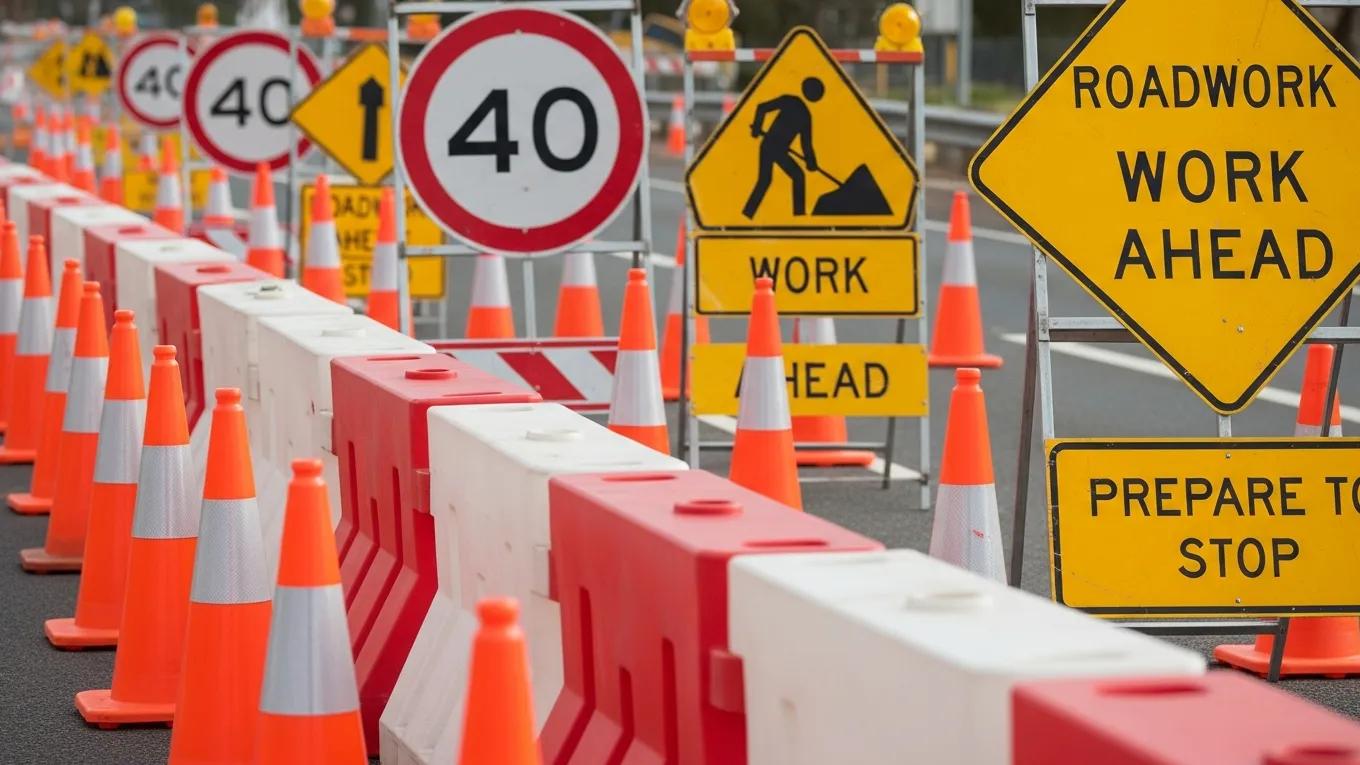
Adelaide work zones require certified temporary devices that meet safety specifications. Common mandatory items include cones, barriers and regulatory signage, all selected and positioned according to the relevant standards.
- Overview of Temporary Devices: Cones, barriers, delineators and signs must be appropriate for the environment and meet technical criteria.
- Compliance Requirements: Devices need to conform to recognised standards to be legal and effective.
- Safety Implications: Correct selection and placement of devices reduce accidents and improve traffic flow around worksites.
Knowing which devices are required and how to use them correctly is essential for anyone managing a work zone.
Who Are Certified Traffic Controllers and What Are Their Compliance Responsibilities?
Certified traffic controllers are trained personnel who manage traffic movements and enforce safety protocols in work zones. Their core responsibilities include:
- Certification Requirements: Controllers complete accredited training that verifies their competency to manage traffic safely.
- Legal Obligations: They must follow the traffic management plan and comply with applicable legislation while on duty.
- Operational Standards: Controllers operate to established procedures to keep traffic moving and workers protected.
Recognising the role and responsibilities of certified controllers helps ensure consistent, compliant operations on site.
What Certification Requirements Must Traffic Controllers Meet in South Australia?
Traffic controllers in South Australia must meet defined training and competency standards. Typical requirements include:
- Training and Competency Assessments: Completion of accredited courses and practical assessments to demonstrate safe traffic control skills.
- Ongoing Professional Development: Refresher training and updates keep controllers informed about regulatory changes and best practices.
- Legal Compliance: Certification verifies that controllers are recognised and accountable under local legislation.
Maintaining these standards supports professionalism and on-site safety.
How Do Traffic Controllers Ensure Safety and Regulation Adherence Onsite?
Traffic controllers keep work zones safe and compliant by applying practical, disciplined approaches, including:
- Implementation of Traffic Management Plans: Controllers follow the documented plan and make on-the-ground adjustments as needed to maintain safety.
- Safety Audits and Monitoring: Regular checks identify issues early so corrective action can be taken.
- Emergency Response Preparedness: Controllers are trained to enact emergency procedures rapidly to protect people and property.
Their effectiveness directly influences site safety and regulatory compliance.
What Processes Govern Traffic Permits and Emergency Procedures in Adelaide Work Zones?
Processes for permits and emergency planning are structured to ensure work is lawful and can respond to incidents. Key elements include:
- Steps to Obtain Traffic Permits: Submit required documentation and plans to the relevant authority and respond to any conditions set during approval.
- Emergency Procedures Implementation: Define roles, communication lines and response steps to manage incidents on site.
- Regulatory Compliance: Ensure permit conditions and legal obligations are understood and met throughout the project.
Careful permit management and tested emergency plans reduce delays and enhance safety.
How Are Traffic Permits Obtained for Roadworks in South Australia?
The permit process in South Australia typically includes these steps:
- Initial Site Assessment Procedures: Survey the site to determine traffic implications and control needs.
- Application Submission Steps: Lodge a comprehensive application with your traffic management plan and supporting documentation.
- Follow-up and Approval Process: Liaise with the approving authority to address queries and obtain formal approval.
This structured process helps secure the permissions needed to proceed safely and legally.
What Emergency Procedures Are Required to Maintain Work Zone Safety?
Essential emergency procedures for work zones typically include:
- Establishing Communication Protocols: Clear channels for reporting incidents and coordinating responses among site staff and emergency services.
- Training Personnel for Emergency Situations: Regular instruction ensures everyone understands their role in an incident.
- Regular Updates and Drills: Frequent drills and reviews keep emergency procedures current and effective.
Well-rehearsed emergency measures protect lives and limit disruption when incidents occur.
Conclusion
Understanding and following work zone safety regulations in Adelaide protects workers, the public and project timelines. Strong traffic management plans, certified traffic controllers, correct safety devices and ongoing compliance checks all contribute to safer, more efficient roadworks. By sticking to established standards and keeping documentation up to date, businesses reduce risk and avoid costly interruptions. Partnering with experienced traffic management companies in Adelaide can help ensure your roadwork projects are managed safely, professionally and in line with local requirements.