Traffic management is essential for keeping people safe and projects on schedule in both construction and event settings. As urban areas become busier, reliable traffic control and road safety measures reduce disruption and lower risk. Specialist traffic management teams plan, permit and deliver these solutions to meet safety standards and regulatory requirements. This guide outlines common traffic control services, why temporary measures matter, the equipment typically used, and the clear benefits of engaging professional traffic management—so stakeholders can make safer, better-informed choices.
What Are the Key Types of Traffic Control Services?
Traffic control services use proven strategies to manage vehicle and pedestrian movement. They play a central role in maintaining safety and order across work sites and public events. The main service types are:
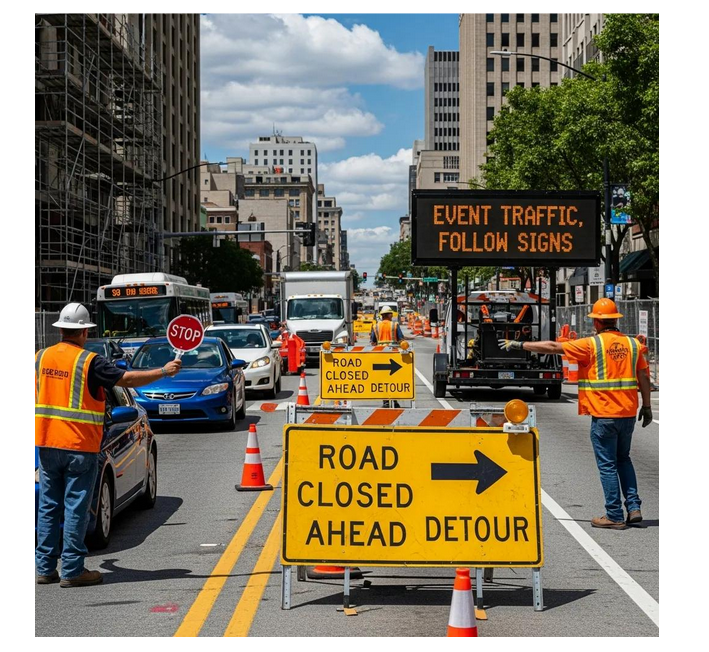
- Construction Site Traffic Control: Managing traffic around worksites to protect workers and the public while keeping traffic flowing.
- Event Traffic Management: Coordinating vehicle access, parking and pedestrian movement so attendees can arrive and leave safely and efficiently.
- Temporary Traffic Control Measures: Short-term setups—detours, lane shifts and emergency measures—used during roadworks or incidents to preserve safety for everyone.
Knowing these categories helps planners select the right approach for each project or event.
Overview of Construction Site Traffic Control
Construction site traffic control minimises risk for workers and road users. Typical services include:
- Traffic Diversions: Redirecting vehicles around worksites to reduce congestion and exposure to hazards.
- Signage and Markings: Clear signs and pavement markings that guide drivers and pedestrians safely through altered traffic patterns.
- Flagging Services: Trained flaggers who control traffic flow and give drivers clear, timely instructions.
These measures protect people on site and help maintain steady traffic movement, cutting delays and accident risk.
Essentials of Event Traffic Management
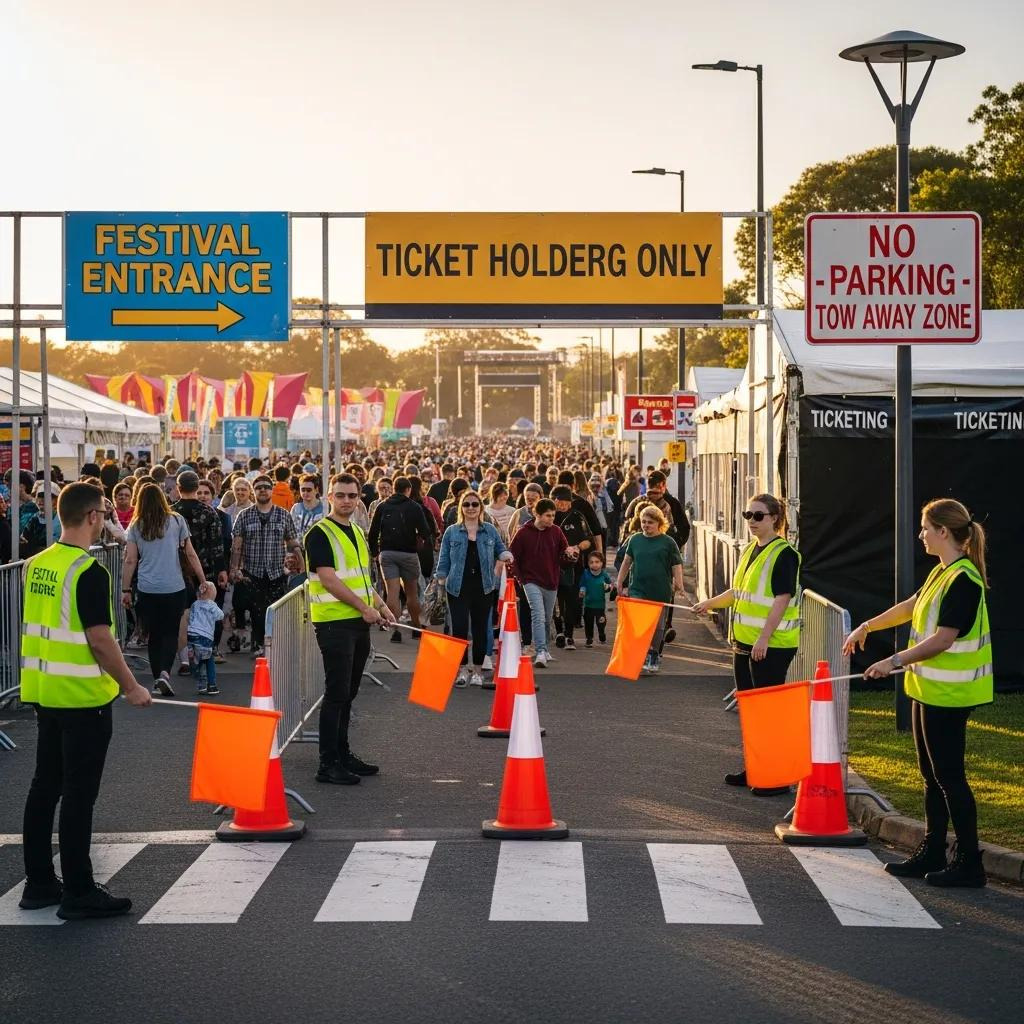
Large events—concerts, festivals and sporting fixtures—need tailored traffic plans to keep people safe and sites accessible. Core strategies include:
- Pre-Event Planning: Working with councils and emergency services to set traffic patterns, access routes and parking plans before the event.
- Crowd Control Measures: Designing safe entry, exit and circulation routes to prevent bottlenecks and reduce risk.
- Communication Systems: Using radios, signage and digital updates to keep organisers, staff and attendees informed about traffic and parking.
Prioritising these elements improves the attendee experience while protecting public safety.
Managing large crowds brings specific risks that require specialist planning and on-the-ground coordination to reduce hazards.
Managing Risks and Safety at Mass Events
Mass events can present complex safety challenges. Participant behaviour—sometimes unpredictable—can create risks to health, life and property for both attendees and bystanders. Effectively managing these situations is a demanding responsibility for authorities and event organisers.
Crowd management during mass events, J Struniawski, 2024
How Do Temporary Traffic Control Measures Enhance Safety?
Temporary traffic control is a critical layer of protection during construction, maintenance or emergencies. Well-planned temporary measures direct traffic away from hazards and create safer zones for workers and road users.
Careful planning is essential when setting up and maintaining safe work zones.
Principles for Temporary Traffic Management in Work Zones
This guidance summarises principles that should be considered when planning, establishing and maintaining work zones and during inspection activities. It draws on literature reviews, practitioner interviews across eight European countries and stakeholder discussions.
Guidance document on temporary traffic management, A Varhelyi, 2019
Implementing Lane Closures and Flagging Services
Lane closures and flagging keep workers safe and help motorists navigate work areas. Key considerations are:
- Clear Communication: Flaggers give simple, direct instructions to drivers to avoid confusion and collisions.
- Safety Protocols: High-visibility clothing, correct placement and standard procedures ensure flaggers remain protected and effective.
- Impact on Traffic Flow: Thoughtful sequencing and signage minimise delays and maintain a steady, predictable flow.
These practices protect crews and make it easier for road users to move safely around work zones.
Flagger safety is a top priority—robust training and standardised procedures significantly lower the risk of injury.
Enhancing Flagger Safety in Road Construction Workzones
A construction flagger coordinates vehicle traffic through road worksites and often faces serious hazards from moving vehicles. Many injuries and fatalities are preventable with stronger, defensive flagger training. Surveys have shown limited national coordination and standardisation in flagger training across jurisdictions.
The construction flagperson: A target for injury, 1998
Optimizing Traffic Flow with Temporary Controls
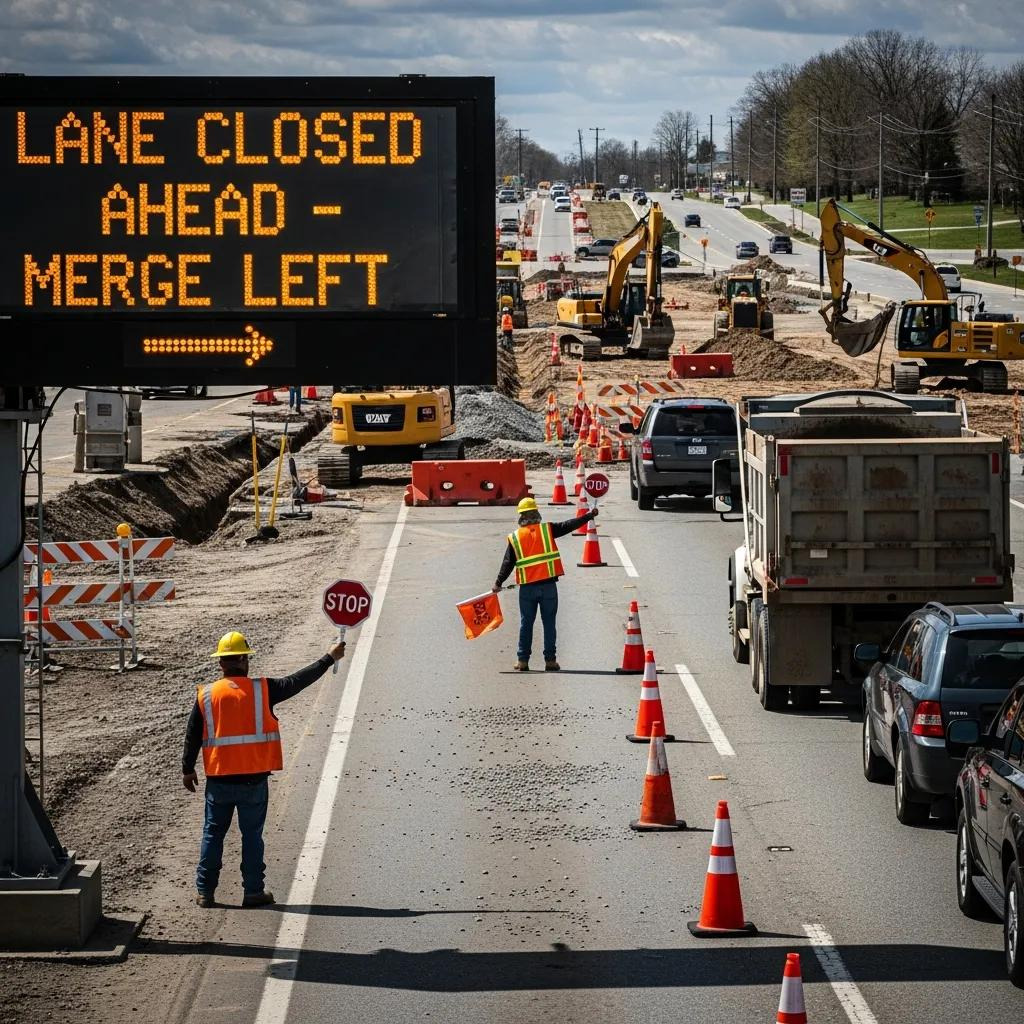
Temporary controls can reduce congestion and improve safety when implemented smartly. Useful techniques include:
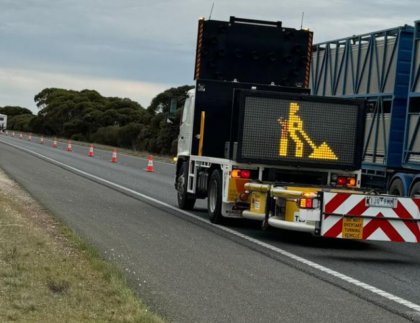
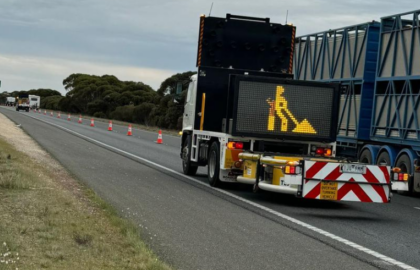
- Dynamic Signage: Electronic signs that give drivers real-time updates on conditions and detours.
- Traffic Signal Adjustments: Short-term signal timing changes to match altered traffic patterns during works.
- Data-Driven Decisions: Using traffic data to fine-tune control measures and limit delays.
Applied correctly, these tools keep traffic moving while protecting workers and road users.
What Equipment and Technology Are Used in Traffic Management?
Effective traffic management depends on the right combination of equipment and technology—each chosen to suit the site and the risk profile.
Common Traffic Control Equipment Explained
Typical traffic control tools include:
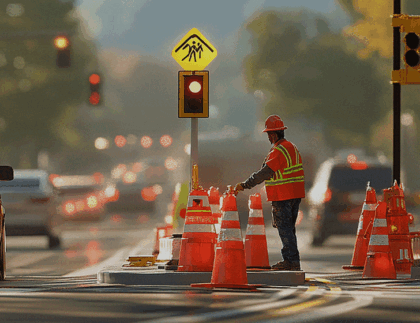
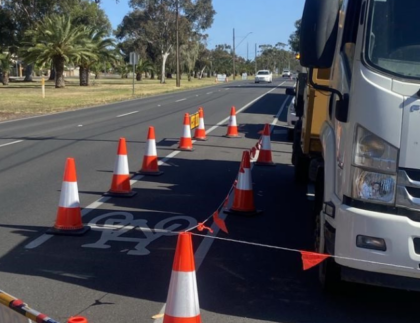
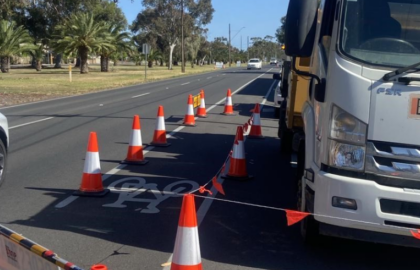
- Traffic Cones: Quick, visible lane delineation for short-term works.
- Signage: Regulatory and advisory signs that direct and warn drivers.
- Flagging Equipment: Signs, paddles and high-visibility clothing used by traffic controllers.
These basic items create the controlled environment that keeps people safe around worksites and events.
Integrating Smart Technology for Traffic Flow Optimization
Modern traffic management increasingly uses smart systems to improve outcomes. Examples are:
- Traffic Cameras: Live monitoring to support quick decisions and remote incident response.
- Mobile Apps: Driver-facing apps and notifications that share detours and parking updates in real time.
- Data Analytics: Traffic modelling and historical data to predict patterns and plan controls more effectively.
These technologies help teams respond faster and design safer, more efficient traffic plans.
How Can Clients Benefit from Professional Traffic Management Services?
Hiring professional traffic management company delivers measurable benefits: safer sites, smoother traffic flow, regulatory compliance and fewer project delays.
Customized Traffic Plans and Free Consultation Process
Traffic specialists create tailored plans that match the site, schedule and stakeholder needs. Typical advantages are:
- Expert Consultation: Practical advice from experienced traffic planners and on-site crews.
- Tailored Solutions: Traffic setups designed for the specific risks and traffic volumes of your project.
- Cost-Effectiveness: Well-planned traffic control reduces downtime, fines and incident-related costs.
Custom planning keeps projects on track while prioritising safety.
Compliance with Safety Protocols and Regulatory Standards
- Understanding Regulations: Professionals ensure plans meet local and national traffic and safety requirements.
- Safety Training: Crews undergo accredited training so work is delivered to industry standards.
- Risk Mitigation: Established procedures and regular audits reduce the chance of incidents and liability.
Clients can be confident their traffic arrangements meet legal requirements and protect workers and the public.
Final thoughts
Good traffic management keeps construction sites and events safe, predictable and efficient. With thoughtful planning, temporary controls and the right equipment, risks are reduced and traffic continues to move. Working with experienced traffic management specialists ensures compliance with safety standards and delivers practical road safety solutions that protect workers, drivers and pedestrians. The right partner also helps projects run on time and with fewer disruptions—making every site or event safer and more successful.