
Understanding Site Traffic Risk Assessment in Australia: Ensuring Safety and Compliance
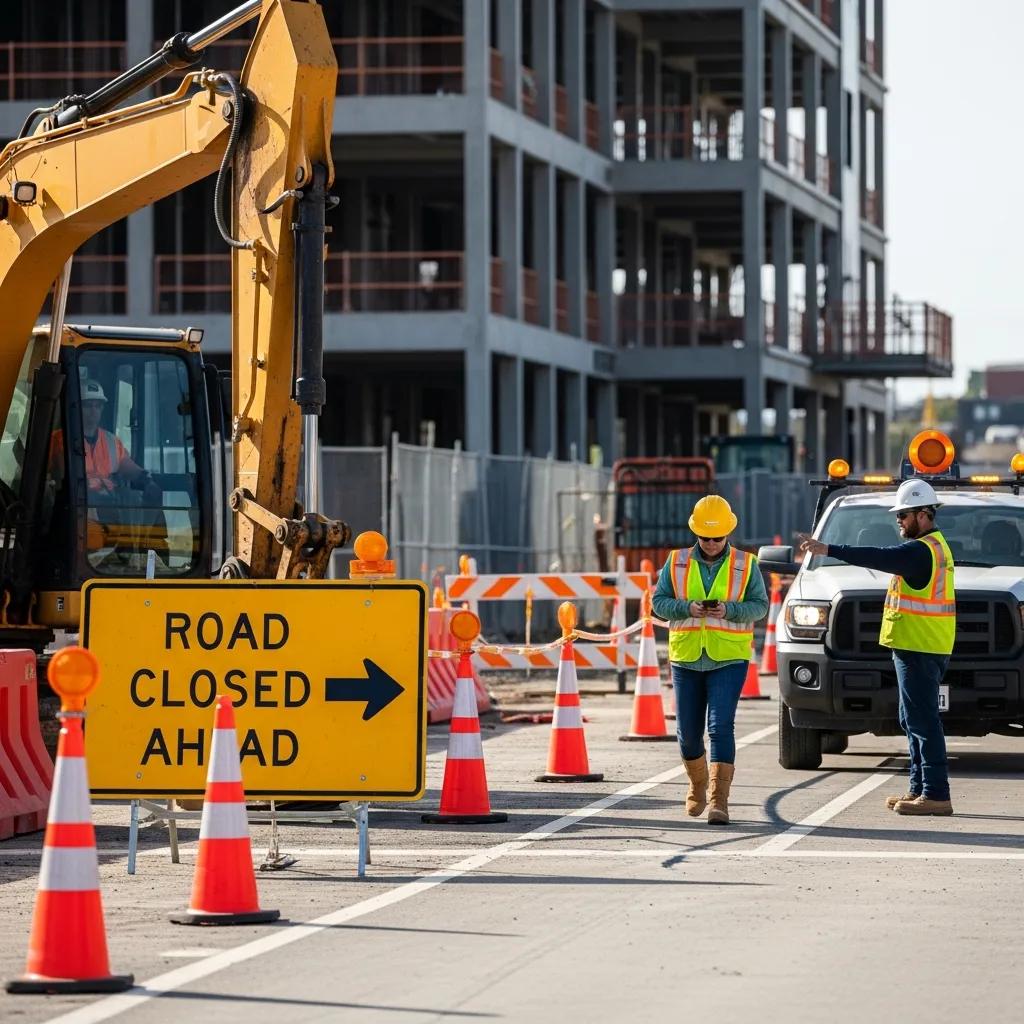
Assessing site traffic risk is a vital step in managing the hazards that arise where vehicles and pedestrians interact at construction sites and events. A proper assessment identifies likely dangers, ranks their seriousness, and sets out practical controls to protect workers and the public. In Australia—where building work and large events are common—knowing how to assess and manage traffic risk is key to staying compliant with local rules and keeping sites running smoothly. This article explains why traffic risk assessments matter, the benefits they deliver, and practical ways to build effective traffic management plans.
What is a Site Traffic Risk Assessment and Why is it Essential?
A site traffic risk assessment is a methodical review of risks associated with traffic movements in and around a particular site. It involves spotting hazards, judging how likely and severe they are, and putting in place controls to reduce those risks. The main purpose is to protect people—workers, visitors and the public—while making sure the site meets its regulatory obligations. Beyond safety, a good assessment improves traffic flow, cuts delays and helps the whole site operate more efficiently.
Bringing together the many objectives and stakeholders involved in traffic projects makes building a complete, integrated risk framework challenging—yet it’s essential for meaningful, practical outcomes.
Multi-Attribute Risk Assessment for Traffic Projects
Evaluating a traffic project across multiple goals, stakeholders and treatment options is complex. While there are tools to assess operations, safety, economics and stakeholder concerns separately, a straightforward practical method that combines all risk factors and their uncertainties into one multi-attribute decision tool is still lacking.
Risk assessment: method and case study for traffic projects, X Yu, 2017
One Stop Traffic Solutions specialises in tailored site traffic risk assessments for construction teams and event organisers. Our assessments make sure potential hazards are picked up and managed, creating safer, more compliant workplaces and events.
Key Benefits of Conducting Traffic Risk Assessments on Construction and Event Sites
Carrying out traffic risk assessments delivers clear, practical benefits that support safety and compliance:
- Enhanced Safety: Identifying hazards early helps prevent incidents and reduce injuries on site.
- Regulatory Compliance: Meeting local traffic and safety rules avoids fines and legal exposure.
- Improved Traffic Flow: Thoughtful assessments inform better traffic management plans that cut congestion and delays.
These advantages show why traffic risk assessment should be part of planning from the very start of any construction or event project, ideally supported by professional risk assessment services to identify hazards early and ensure safer, more compliant outcomes.
How Are Traffic Management Plans Developed to Meet Australian Standards?
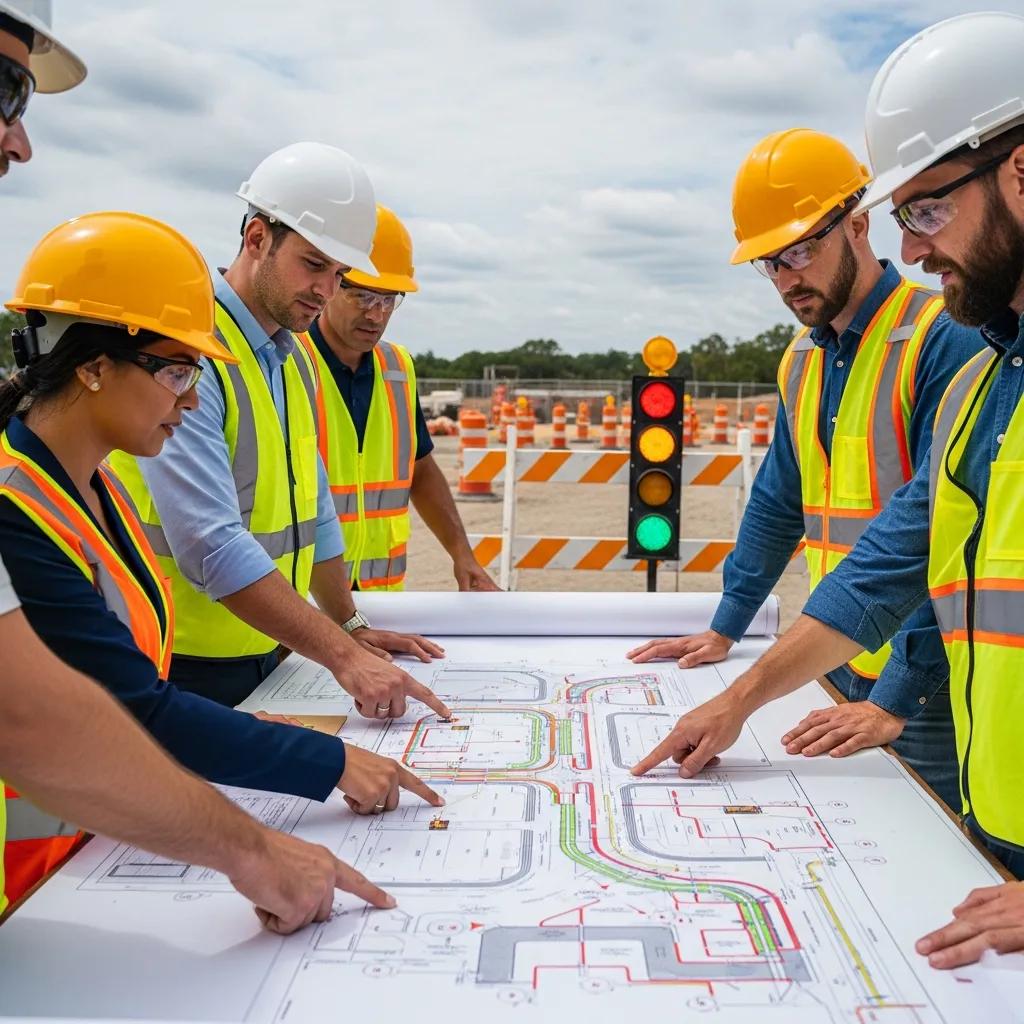
Traffic management plans (TMPs) set out how traffic will be controlled during works or events. They’re prepared by assessing the site and its surroundings and then selecting measures that suit local conditions. Core elements of a TMP typically include:
- Traffic Control Measures: Clear strategies to guide vehicles and pedestrians safely around the work area.
- Signage and Markings: Visible, consistent signs and pavement markings to direct road users.
- Emergency Response Plans: Defined procedures for responding to accidents or unexpected incidents.
In Australia, TMPs must align with the Australian Road Rules and relevant council requirements so that traffic controls are both safe and legally compliant.
Compliance Requirements Under South Australian Traffic Regulations
In South Australia, construction and event sites must meet specific traffic management obligations. Key requirements include:
- Documentation: Keeping accurate, accessible records of TMPs and risk assessments.
- Traffic Control Certification: Ensuring personnel running traffic controls hold the required qualifications and licences.
- Regular Audits: Conducting periodic safety checks to confirm continued compliance with regulations.
Following these requirements not only improves safety but also reduces legal and financial risk for organisations operating on site.
What Are Best Practices for Construction Site Traffic Control in Adelaide?
Good traffic control on construction sites comes from planning, capability and ongoing review. Recommended practices include:
- Developing a Comprehensive TMP: Tailor the plan to site conditions, peak traffic times and local road layouts.
- Utilising Professional Traffic Control Services: Use certified traffic controllers to implement and manage controls safely.
- Regular Training and Updates: Keep teams refreshed on procedures and adjust plans when site conditions change.
Applying these practices helps construction teams minimise incidents and keep projects moving on schedule.
Implementing Traffic Control Services to Mitigate Road Safety Risks
Effective traffic control services reduce road safety risks at construction sites and events. Typical elements are:
- Traffic Management Plans: Creating and executing TMPs that comply with local rules.
- Certified Traffic Controllers: Deploying trained personnel to manage traffic and maintain a safe environment.
- Monitoring and Adjusting Plans: Continuously observing conditions and refining the TMP as needed.
One Stop Traffic Solutions provides expert advice and free quotes for traffic control services to help clients improve safety and site performance.
Utilising Traffic Control Equipment and Technology for Enhanced Safety
Modern equipment and technology can lift safety and efficiency on site. Useful tools include:
- Traffic Control Devices: Signs, barriers and cones that make traffic routes clear and visible.
- Real-Time Monitoring Systems: Live systems that track conditions and allow rapid changes to traffic controls.
- Data Analytics: Analysing traffic data to refine plans and improve future operations.
Using these solutions helps teams respond faster to changing conditions and plan more effectively for future projects.
How Do Event Traffic Management Solutions Ensure Safe and Efficient Operations?
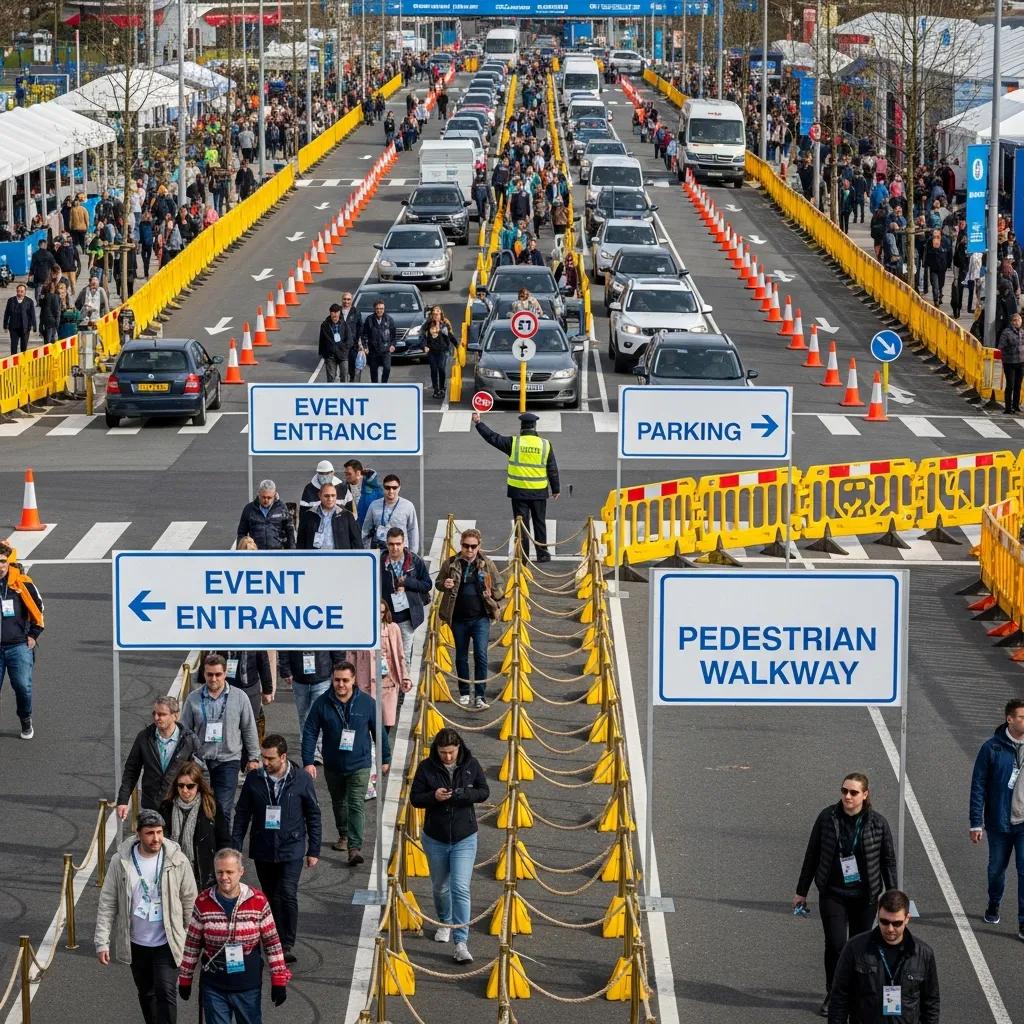
Event traffic management addresses the particular challenges of large crowds and high vehicle volumes. Effective solutions typically include:
- Tailored Traffic Management Plans: Custom plans designed around the event’s layout, size and timing.
- Route Optimisation: Planned vehicle and pedestrian routes to minimise bottlenecks and improve circulation.
- Stakeholder Coordination: Working with local authorities and emergency services to ensure a coordinated response.
When these elements are combined, organisers can deliver safer, smoother events and a better experience for attendees.
Tailored Traffic Control Strategies for Event Organisers in South Australia
Event organisers in South Australia can benefit from strategies designed for their specific needs. Key approaches include:
- Custom Traffic Management Plans: Plans that reflect expected attendance, venue layout and local road conditions.
- Post-Event Traffic Management: Arrangements for safely dispersing crowds and vehicles after the event to avoid congestion.
- Engaging Local Authorities: Coordinating with councils and emergency services to ensure compliance and smooth operations.
These tailored approaches help event teams manage traffic risks effectively from start to finish.
Case Studies Demonstrating Successful Event Traffic Risk Mitigation
Real-world case studies show what effective traffic risk management looks like. For example, a recent large event in Adelaide used a comprehensive TMP that included:
- Pre-Event Risk Assessments: Identifying likely hazards and planning appropriate controls.
- Real-Time Traffic Monitoring: Using live data to adjust traffic flows during the event.
- Post-Event Analysis: Reviewing outcomes to refine plans for future events.
These examples demonstrate the value of careful planning and execution in reducing traffic risks. For tailored traffic management solutions, speak with experienced professionals.