

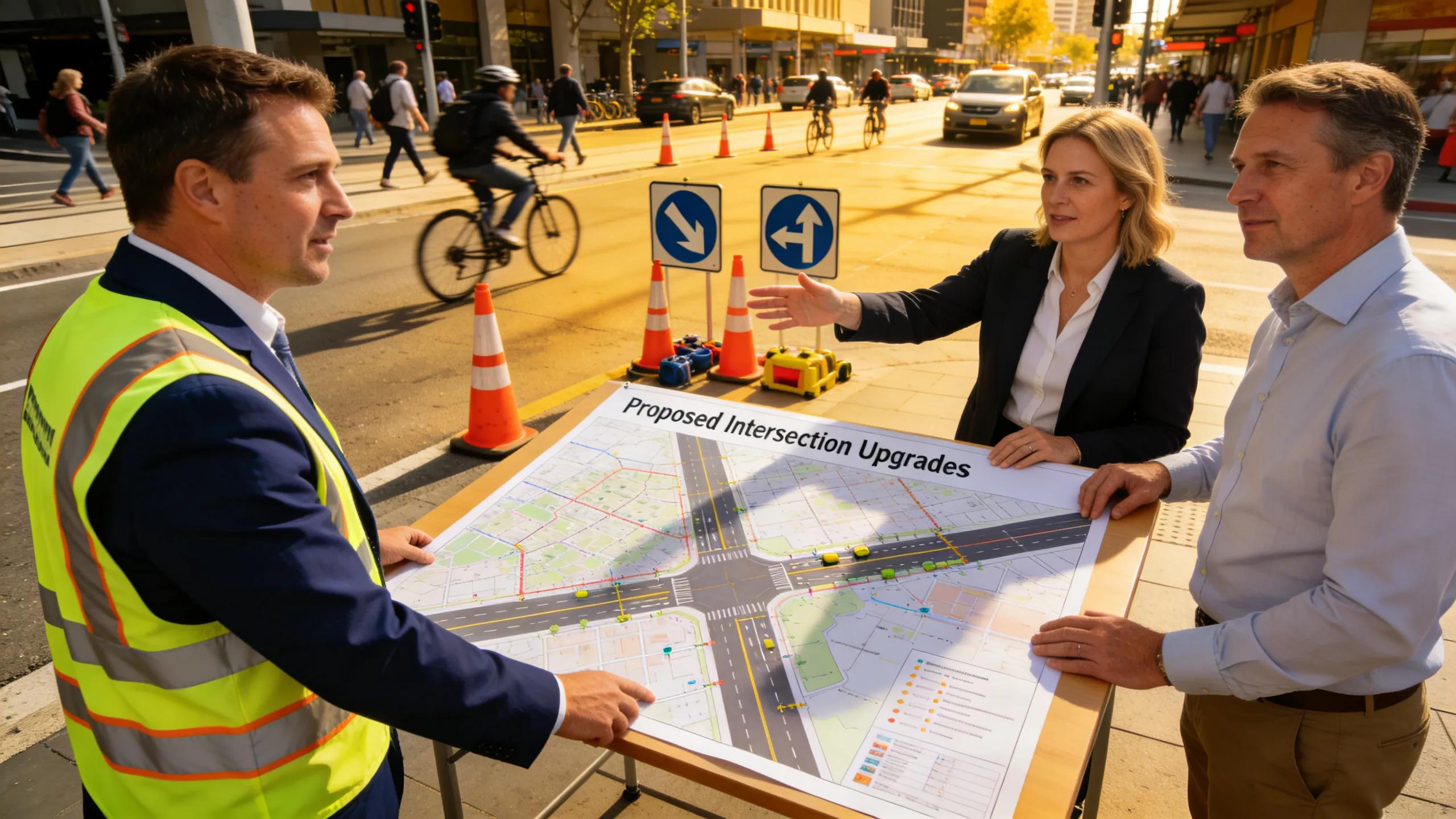
Traffic management is a core responsibility for local councils in busy cities like Adelaide. Good traffic planning improves safety and keeps councils on the right side of regulations. This guide outlines practical traffic-management approaches Adelaide councils can use to improve road safety, engage the community and meet legal requirements. As traffic patterns shift and infrastructure evolves, councils need plans that work today and adapt tomorrow. Read on to learn key strategies, why community engagement matters, and how One Stop Traffic Solutions supports councils with experienced, practical consulting.
Traffic Safety Strategies:
Reducing crashes and protecting all road users depends on clear, well-implemented safety measures. Typical approaches include robust traffic control plans, qualified traffic controllers and targeted risk mitigation.
- Traffic Control Plans (TCPs): Plans designed to manage traffic flow safely around work sites and maintain clear routes for road users.
- Certified Traffic Controllers: Using trained, accredited personnel ensures on-site operations are run safely and efficiently.
- Risk Mitigation Strategies: Assessing hazards and applying appropriate signage, road layouts and controls to reduce incidents.
Combined, these measures help councils create safer streets while making better use of existing roadspace.
Regulatory Compliance:
Following local traffic laws keeps people safe and keeps operations running smoothly. Compliance means understanding and applying South Australian rules and recognised industry standards.
- Adherence to Local Regulations: Councils should know and apply South Australian traffic legislation and local guidelines.
- Conducting Safety Audits: Regular audits identify gaps and drive continuous improvement in safety systems.
- Ongoing Support for Compliance: Continuous monitoring and updates ensure plans remain compliant as regulations change.
A strong compliance framework reduces legal risk and builds public confidence in council decisions and infrastructure management.
Community Engagement:

Listening to the people who use the roads leads to more effective, accepted traffic solutions.
- Implementing Proactive Communications: Keep residents informed with clear, timely updates about changes and projects.
- Gathering Resident Feedback: Collect input from the community to shape practical, localised measures.
- Addressing Community Concerns: Respond promptly to issues so residents feel heard and solutions reflect local needs.
Meaningful engagement improves traffic flow and safety by addressing real concerns and increasing public support for changes.
What Are Traffic Control Plans and Why Are They Critical for Adelaide Councils?
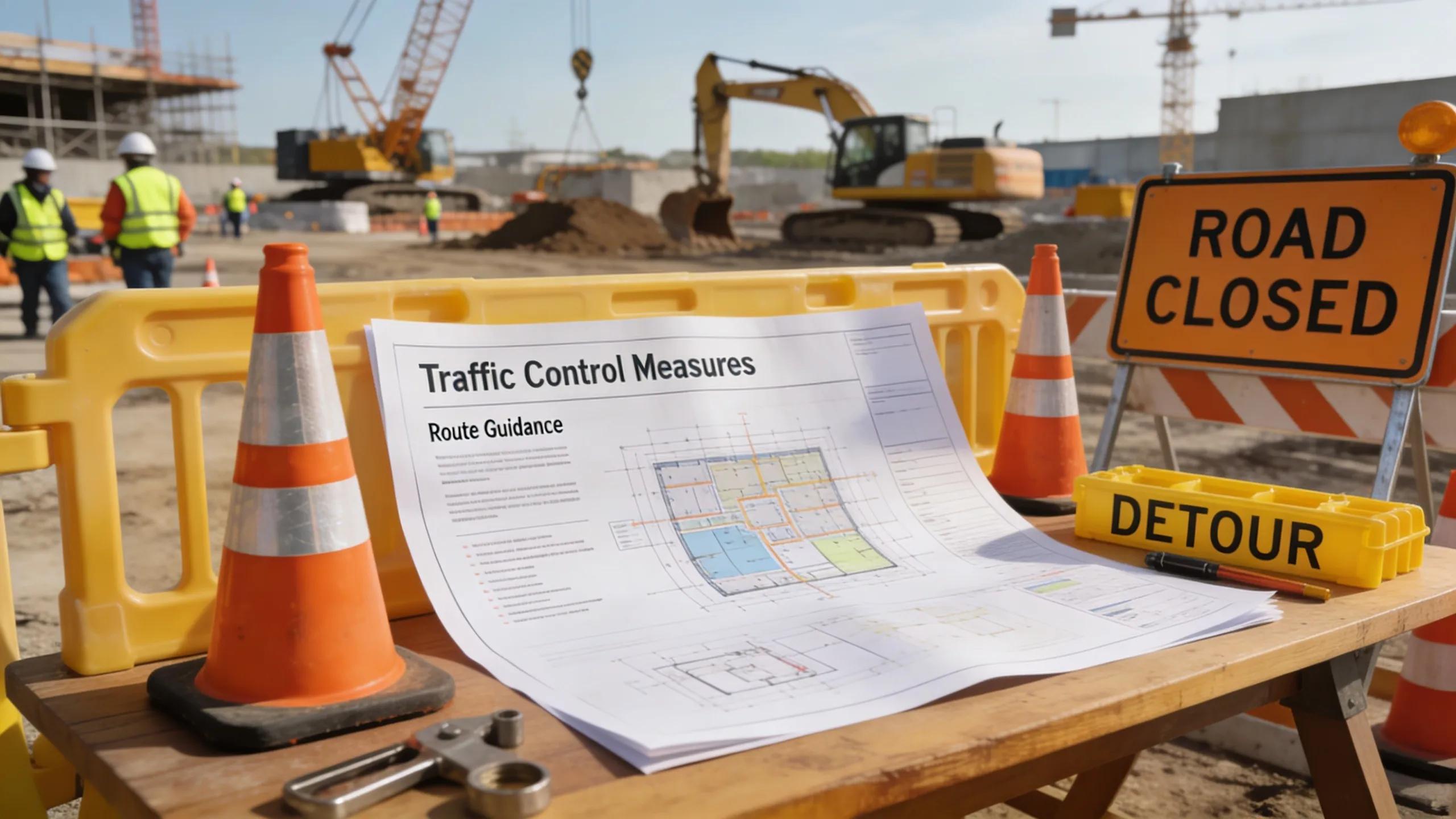
Traffic Control Plans (TCPs) set out how traffic will be managed during construction and maintenance activities. They prioritise safety and compliance by documenting site assessments, signage requirements and relevant local rules to keep road users safe during projects.
At One Stop Traffic Solutions we help councils develop TCPs that meet safety standards and project needs, guiding teams through complex traffic scenarios and ensuring regulatory alignment.
How Do Traffic Control Plans Ensure Road Safety and Compliance?
TCPs reduce the likelihood of accidents by defining safe routes, applying clear signage and protecting vulnerable users such as pedestrians and cyclists. They help maintain efficient traffic flow while ensuring work zones meet legislative and safety expectations.
What Are the Key Components of Effective Traffic Control Plans in Adelaide?
Effective TCPs include several core elements that support both compliance and safety:
- Site Assessment: Evaluate the location, hazards and road layout to inform appropriate controls.
- Traffic Flow Analysis: Understand how traffic patterns will change and design measures to manage those shifts.
- Safety Measures: Specify barriers, signage and protected pedestrian paths to reduce risk.
These components work together to deliver practical traffic-management solutions tailored to Adelaide’s road environment.
How Do Councils Benefit from Professional Traffic Management Consulting Services?
Working with professional consultants delivers clear advantages that go beyond basic compliance:
- Safety and Compliance: Experts ensure plans meet legal requirements and prioritise public safety.
- Efficient Project Execution: Specialist input speeds up delivery and reduces disruption through smarter planning.
- Cost-effectiveness: Better planning and execution minimise delays, rework and incidental costs.
Partnering with One Stop Traffic Solutions gives councils the practical experience needed to manage complex traffic situations with confidence.
What Expertise Does One Stop Traffic Solutions Provide for Council Traffic Challenges?
One Stop Traffic Solutions develops tailored traffic-management responses for councils tackling complex local issues. Our core services include:
- Traffic Management Plans: Clear, compliant documentation that defines safe road use during works.
- Event Traffic Management: Practical strategies to manage crowds and traffic for public events.
- Permit Assistance: Help navigating permits and approvals to keep projects on track.
Our hands-on experience helps councils manage traffic challenges efficiently while keeping the public safe.
How Does Traffic Management Consulting Improve Operational Efficiency and Safety?
Consulting improves both efficiency and safety through structured planning and on-site oversight.
- Strategic Planning: Consultants offer insights that streamline design and implementation of traffic systems.
- Risk Management: Identifying and addressing hazards ahead of time leads to better outcomes on site.
- On-site Management: Experienced traffic professionals supervise works to ensure compliance and safety in real time.
Applying these practices promotes smoother operations and stronger protection for road users.
What Are the Compliance and Regulatory Requirements for Council Traffic Management in Adelaide?
Compliance for council traffic management covers several critical areas. Key requirements include:
- Documentation Requirements: Keep accurate records of plans, audits and approvals.
- Legal Framework: Work within the relevant legislation and local authority requirements.
- Safety Considerations: Implement measures that meet or exceed local safety standards.
Understanding and applying these requirements helps councils meet their legal duties while safeguarding the community.
Which Permits and Approvals Are Required for Temporary Traffic Control Plans?
Temporary Traffic Control Plans (TTCPs) need specific approvals to proceed lawfully. Common requirements include:
- TMP Approval Process: Prepare and submit a Traffic Management Plan to the relevant authority for approval.
- Road Occupancy Permits: Obtain permission to occupy or close sections of public road during works.
- Legal Obligations: Comply with environmental, safety and statutory criteria associated with roadworks.
Meeting these permit conditions is essential to deliver temporary traffic projects safely and on schedule.
How Do Updated South Australian Road Safety Frameworks Impact Council Traffic Solutions?
Updated road-safety frameworks from South Australian authorities change how councils plan and operate. Their effects include:
- Compliance with DIT Standards: Align traffic-management approaches with current Department for Infrastructure and Transport requirements.
- Enhanced Safety Protocols: Adopt best-practice measures that raise protection for all road users.
- Regular Safety Audits: Conduct frequent reviews to keep plans current and effective.
Adapting to these frameworks helps councils promote safer, more efficient road networks.
Adelaide’s transport planning commitments show the long-term thinking councils need to manage growing traffic demand.
How Are Temporary Traffic Management Services Applied to Construction and Event Roadworks?
Temporary traffic management services support construction and events by putting sensible, practical controls in place. Typical applications include:
- Traffic Management Plans: Design plans that balance safety, traffic flow and public access.
- Public Communication Strategies: Notify residents and road users of changes well in advance.
- On-site Management: Provide supervision to ensure measures are followed and adjusted as needed.
These services help councils minimise disruption while maintaining safe road use during projects and events.
What Temporary Traffic Management Strategies Minimize Disruption During Construction?
To reduce disruption, councils often use a mix of practical strategies:
- Proactive Communication: Keep the community informed to limit confusion and frustration.
- Dynamic Risk Assessment: Reassess hazards regularly and adapt controls as conditions change.
- Efficient Scheduling: Plan works around peak times to shorten impacts on road users.
Using these strategies improves reliability and minimises inconvenience during construction phases.
How Do Councils Effectively Manage Traffic for Public Events in Adelaide?
Good event traffic management depends on careful preparation and clear on-the-day control. Councils should consider:
- Customized Traffic Management Plans: Tailor each plan to the event’s size, location and needs.
- Pre-event Consultations: Engage residents, businesses and stakeholders to inform planning.
- On-the-day Traffic Control: Deploy certified traffic controllers to manage operations and enforce safety measures.
These steps help maintain order during events while protecting public safety.
Conclusion
Robust traffic management helps Adelaide councils improve safety, remain compliant and support growing community needs. Through strategic planning, professional consulting and meaningful community engagement, councils can reduce risk and run projects more efficiently. Staying current with regulations and using modern traffic-control strategies creates safer, more reliable roads. Partnering with traffic management in Adelaide ensures long-term safety, smoother traffic flow and better outcomes for all road users.