
Understanding the Critical Role of Traffic Control
In the Australian construction and infrastructure landscape, the term traffic control represents the vital intersection of public safety and operational efficiency. It is not merely about managing the movement of vehicles; it is a highly regulated discipline designed to protect human lives, minimize legal liabilities, and ensure that civil works proceed without interruption. Whether it is a high-speed freeway project or a local council road maintenance job, the complexity of managing driver behavior while keeping workers safe cannot be overstated. By partnering with a specialized firm like One Stop Traffic Solutions, project managers can ensure that every safety protocol is followed to the letter, meeting the stringent requirements set by Australian road authorities.
Strategic Planning: From TMP to Site Execution
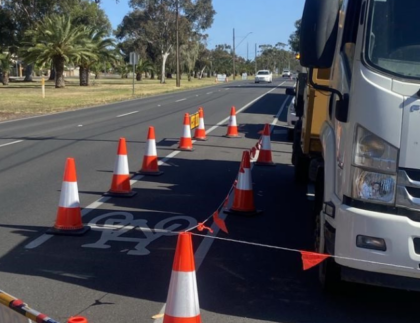
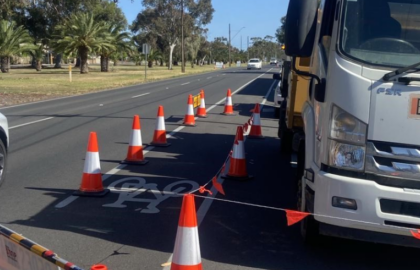
Every successful setup begins long before the first traffic cone is placed. In Australia, compliance is the foundation of any roadwork project. This involves the creation of a Traffic Management Plan (TMP), which serves as the overarching strategy for the site. This document details risk assessments, traffic volume analysis, and contingency plans for emergencies. Following this, a Traffic Control Plan (TCP)—a detailed diagram of the site—is produced to show exactly where every sign, barrier, and controller will be positioned. Professional traffic control providers take the burden of paperwork off the client’s shoulders by liaising directly with local councils and state road bodies (like VicRoads, TfNSW, or TMR) to secure the necessary permits and approvals, ensuring that the project starts on time and stays within the legal framework.
The Human Element: Certified Personnel and Safety
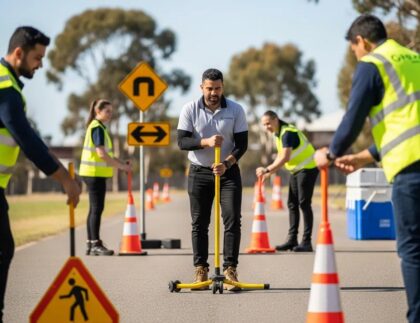
The backbone of the industry is the frontline staff. Certified Traffic Controllers undergo extensive training to handle the dynamic and often high-stress environment of Australian roads. These professionals are responsible for more than just “Stop/Slow” duties; they are trained in emergency response, radio communication, and conflict de-escalation. Their primary objective is to maintain a “safety bubble” around the worksite. This is particularly crucial during night shifts or in adverse weather conditions where visibility is low. High-quality traffic control services prioritize ongoing training for their staff to stay updated on the latest safety standards and technologies, ensuring that your site is managed by competent, alert, and professional personnel at all times.
Integrating Modern Technology and Equipment
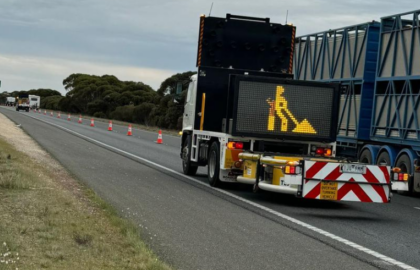
Technology has revolutionized the way we manage road disruptions. Modern traffic control now utilizes a range of high-tech tools to improve flow and safety. For instance, Variable Message Signs (VMS) are now a standard requirement for communicating real-time changes to motorists, helping to reduce driver frustration and congestion. Similarly, the use of Impact Protection Vehicles (IPV) provides a physical shield for workers on high-speed roads, significantly reducing the risk of catastrophic accidents. From solar-powered temporary traffic signals to advanced pedestrian management systems, the right equipment ensures that the traffic setup is both visible and effective, even in the most complex urban environments.
Maximizing Project Efficiency and Reducing Costs
While some may view safety services as an added expense, the reality is that expert traffic control is a cost-saving measure. A poorly managed site is prone to accidents, road authority fines, and significant project delays—all of which carry a heavy financial price tag. By investing in professional management, builders and developers can streamline their operations. A reliable provider ensures that the site is set up and packed down precisely on schedule, allowing the construction crew to focus entirely on their core tasks. This level of coordination is what differentiates a standard service from a premium partnership, ensuring that the project remains profitable and the public remains safe.
Conclusion: Why Experience Matters
Navigating the complexities of Australian road laws and worksite safety is a specialized task. It requires a blend of deep regulatory knowledge, skilled personnel, and top-tier equipment. By choosing a dedicated expert, you ensure that your project is backed by a team that understands the local landscape and the importance of zero-harm safety cultures. Protecting your workers, the public, and your company’s reputation starts with a commitment to excellence in every aspect of road management.